
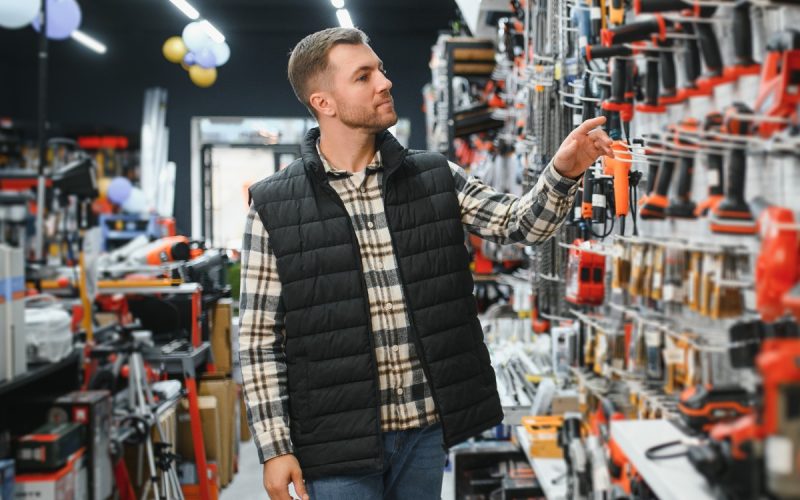
Starting a business gives you a pretty good excuse to buy new gear. However, going straight for every top-of-the-line item isn’t usually the best purchasing strategy when the money is coming out of your business account.
Being smart about buying equipment for your new business means looking beyond the price tag. The right purchases should make work easier, support your day-to-day operation, and ideally earn their keep.
Start With What You Actually Need
Separate essential equipment from stuff that would simply be nice to have. A landscaping business needs reliable mowers and trimmers, while the fancy coffee machine in the office can probably wait.
Rank potential purchases based on how directly they affect your ability to complete jobs or serve customers. This helps protect a limited startup budget from disappearing into equipment that looks useful but isn’t necessary yet.
Look Beyond the Purchase Price
The sticker price tells you what something costs to acquire, not what it costs to own. Maintenance, repairs, fuel, electricity, insurance, replacement parts, subscriptions, and consumable supplies can all increase the real expense.
Compare those ongoing costs before making a decision. A bargain machine that regularly needs repairs may eventually cost more than the dependable model that initially looked expensive.
Decide Between New and Used
New equipment usually comes with fewer unknowns, and manufacturer warranties can offer some protection against early problems. You’ll also have access to current features and technology.
Used equipment can stretch a startup budget much further. If you’re shopping used, inspect each item’s condition carefully and ask about its age, service history, previous workload, and any repairs.
Refurbished equipment can offer a useful middle ground for certain purchases. Just make sure you understand what was refurbished, who performed the work, and what warranty is included.
Make Sure It Fits Your Workflow
Equipment should fit the way you work rather than forcing your entire operation to adapt around it. Consider where you’ll store items, how employees will access them, how frequently they’ll need to move, and whether they work with equipment you already own.
Physical dimensions matter, too. Measure doors, storage areas, loading zones, workspaces, and vehicle clearances before ordering anything large, because discovering your new machine doesn’t fit through the door isn’t the kind of team-building exercise anybody needs.
Transportation becomes particularly important for businesses working across multiple locations. Contractors and other mobile businesses hauling tools or materials should think about cargo dimensions, organization, towing limits, security, and future capacity when choosing the right enclosed trailer for a business.
Think About Reliability and Downtime
Equipment earns its keep when it’s working. A breakdown can mean more than a repair bill if it also causes missed appointments, delayed projects, equipment rentals, overtime, or unhappy customers.
Research reliability and replacement part availability before buying equipment that will be essential to daily operations. It also helps to know whether qualified technicians are available nearby.
For mission-critical equipment, have a backup plan. That might mean knowing where to rent a replacement, keeping a basic spare available, or establishing a relationship with a local repair shop before an emergency happens.
Check Safety and Training Needs
Some equipment requires more than plugging it in and hoping everyone figures things out. Power tools, machinery, vehicles, and specialized systems may require employee training, protective equipment, inspections, or specific operating procedures.
Factor those requirements into your budget and schedule. A productivity upgrade isn’t much of an upgrade if employees can’t use it safely or confidently.
Make Sure Everything Is Compatible
A great tool can still be a poor purchase if it doesn’t work with anything else you own. Check compatibility with existing batteries, attachments, vehicles, electrical systems, software, and other equipment before buying.
Standardizing equipment where practical can simplify operations as your business grows. Sharing batteries, accessories, replacement parts, or software systems reduces clutter and makes maintenance easier.
This is especially important with technology. New software or devices should ideally fit into your existing workflow instead of creating yet another system for employees to manage.
Protect Your Cash Flow
Paying cash can eliminate financing costs, but emptying your reserves to fill a workshop isn’t always wise. A new business still needs money for payroll, inventory, insurance, utilities, and the occasional surprise nobody put in the spreadsheet.
Compare paying cash with financing and leasing based on total cost, not simply the monthly payment. Read the terms carefully and consider how each option affects the amount of cash available for normal operations.
Leasing may make sense for equipment that becomes outdated quickly or is needed temporarily. Buying can be more attractive for durable equipment you expect to use heavily for years.
Think About Delivery, Setup, and Storage
Large equipment doesn’t magically appear in the correct spot after you place an order. Ask who handles delivery, unloading, installation, assembly, calibration, and initial testing.
Some equipment may require upgraded electrical service, ventilation, reinforced flooring, extra storage, or other site preparation. Those expenses should be identified before the purchase rather than discovered when the delivery truck arrives.
Storage deserves attention even for equipment that doesn’t require installation. Keeping tools and machinery secure, dry, organized, and easily accessible extends their useful life while saving time during everyday work.
Plan for Growth Without Going Overboard
The cheapest or smallest option can make sense when you’re testing a new business idea. However, equipment that barely handles today’s workload can become a bottleneck if demand grows.
Consider what the business could realistically need over the next few years. Extra capacity or expandable equipment can sometimes prevent you from replacing a purchase much sooner than expected.
That doesn’t mean buying industrial-scale machinery for a company operating out of half a garage. The goal is sensible flexibility, not preparing for an imaginary business empire.
Keep Track of What You Own
Create a simple equipment inventory from the beginning. Record purchase dates, serial numbers, warranty information, service history, and other details that may be useful for maintenance, insurance, or eventual replacement.
Schedule routine maintenance rather than waiting for a strange noise to remind you. Preventive work is generally easier to plan and budget for than an emergency repair in the middle of an important job.
Keeping records also helps you identify which purchases genuinely deliver value. Over time, that information can lead to better decisions when you need to repair, replace, upgrade, or add equipment.
Make Every Purchase Earn Its Place
The smartest approach to buying equipment for your new business isn’t about filling your shop, garage, office, or trailer as quickly as possible. It’s about choosing equipment that solves real problems and supports the work you’re actually doing.
Consider total ownership costs, reliability, safety, compatibility, cash flow, and future demand before committing. There will always be another shiny piece of gear calling your name, but your business account doesn’t have to answer every time.