
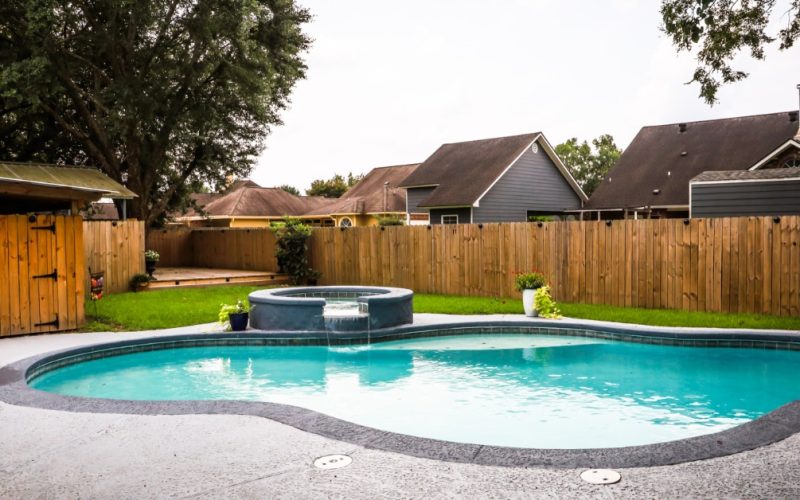
A pool can be one of the best parts of a backyard, especially when summer rolls around and spending the afternoon outside beats being stuck indoors. But after years of use, even a well-built pool can start to look dated, become harder to maintain, or simply fail to fit the way you use your backyard today.
Updating it can improve everything from weekend hangouts to routine maintenance. Before spending money on new features, however, it pays to figure out what actually needs attention and which changes will make the biggest difference.
When considering updating an existing swimming pool, start with the condition of what you already have. A practical plan allows you to spend money where it matters while avoiding upgrades you may regret later.
Start With the Pool’s Current Condition
Before thinking about new tile, lighting, or water features, take a close look at the pool itself. Cracks, rough spots, stubborn stains, peeling material, and recurring water problems point to issues worth addressing before cosmetic upgrades.
The interior finish deserves particular attention because it takes constant exposure to water, sunlight, and pool chemicals. Knowing the common signs your pool may need replastering can help you distinguish an aging surface from something that simply needs a thorough cleaning.
If you’re unsure about a crack, leak, or damaged surface, consider having it inspected by a professional before moving forward. Covering an existing problem with a fresh-looking upgrade can turn into an expensive do-over later.
Decide What You Actually Want To Improve
It is easy for a pool renovation to turn into a massive project once you start browsing ideas. Make a list of the things that bother or concern you about the current pool before deciding what to change.
Maybe the pool looks fine, but the lighting is weak and the equipment is loud. Maybe the surface is uncomfortable underfoot, or perhaps the surrounding deck has become the part of the backyard that looks noticeably outdated.
Separate necessary repairs from upgrades you simply want. That makes it much easier to set priorities when the budget starts getting real.
Check the Equipment Behind the Scenes
The equipment pad is not exactly the coolest part of a backyard, but it deserves some attention during an update. Pumps, filters, heaters, controls, and plumbing all influence how easy the pool is to run.
Older equipment may be noisier or less efficient than newer alternatives. If major components are approaching the end of their useful lives, replacing them during a larger renovation may make more sense than waiting for something to fail.
Automation is another option worth considering. Depending on the setup, modern controls can make it easier to manage pumps, heating, lighting, and other functions without constantly walking back to the equipment.
Think About How You Use the Backyard Now
Your lifestyle may have changed since the pool was installed. A setup that worked years ago might not match how you spend your weekends today.
Maybe you entertain more often and need better seating around the water. You might want improved lighting for evening use, a more functional shallow area, or easier access between the pool and an outdoor cooking space.
Think about the seasons when you use the space as well. Features such as heating, shade, and better outdoor lighting could potentially extend how often the backyard feels comfortable and useful.
Look at the Deck and Surrounding Area
The pool itself is only one part of the overall space. An old deck next to a freshly renovated pool can make the whole project feel unfinished.
Check the surrounding surface for cracks, loose material, drainage problems, or areas that become unusually slippery. Also consider whether there is enough usable room for chairs, a grill, storage, and whatever else regularly ends up outside.
Drainage should also be part of the discussion. Water that consistently collects around the deck can make the area less enjoyable and may contribute to longer-term problems around the property.
Put Safety Into the Plan
Safety upgrades are not the flashy part of a renovation, but they should be part of the conversation. Check handrails, steps, ladders, fencing, gates, lighting, drains, and other features that affect how people move around the pool.
This is especially important if kids, older relatives, or guests regularly use the backyard. Better visibility and easier entry and exit make the pool more comfortable for everyone without changing its overall style.
Local building codes and requirements can also change over time. Before making structural alterations, confirm which permits or safety standards apply where you live.
Set a Budget With Some Breathing Room
A pool project can uncover surprises once work begins. Damage hidden behind an old finish or beneath decking may not be obvious during the early planning stage.
Build some flexibility into the budget instead of spending every available dollar on the initial plan. Having a cushion makes unexpected repairs less painful and reduces the temptation to cut corners midway through the project.
Consider Future Maintenance
A renovation should not create a backyard that looks amazing for six months and then becomes a chore. Ask how each material, finish, feature, or equipment upgrade will affect ongoing maintenance.
Some choices may require more frequent cleaning or specialized care. Others can simplify ownership and reduce the amount of time you spend messing with equipment when you’d rather be in the pool.
Think a few years ahead, too. Choosing durable materials and serviceable equipment can be more valuable than chasing whatever design happens to be popular right now.
Determine the Timing Carefully
Pool work can temporarily put part of the backyard out of commission, so timing matters. If having the pool ready for summer is important, avoid assuming that a major renovation can be squeezed in at the last minute.
The scope of the project, contractor availability, inspections, weather, and material delivery all influence the schedule. Starting the planning process early gives you more room to deal with delays without losing the part of the season when you actually want to use the pool.
Plan the Project Before Breaking Ground
The smartest pool renovation starts with an honest assessment of the existing setup. Deal with structural, surface, equipment, and safety concerns first, then decide which upgrades will genuinely improve how you use the space.
Knowing what to consider before updating an existing swimming pool can keep a fun backyard project from turning into an expensive headache. Get the fundamentals right, and the finished pool will look better, work better, and be easier to enjoy.