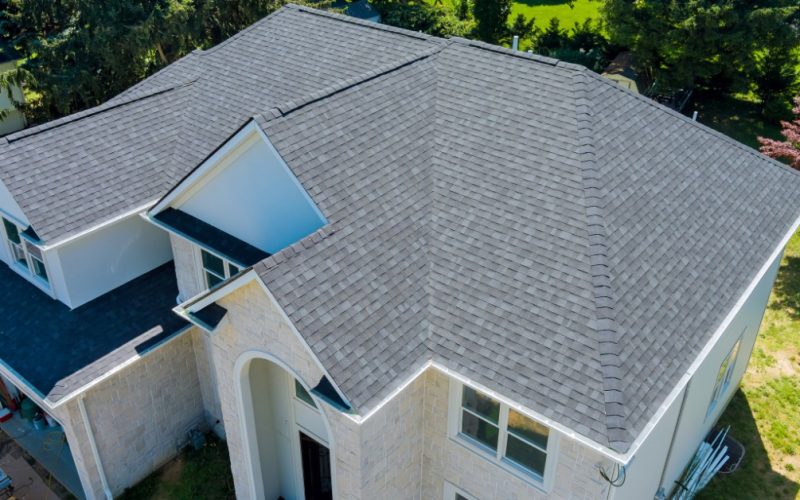
Nobody wakes up excited to spend thousands of dollars on a roof. A new grill, truck upgrade, or vacation sounds a lot more fun. Still, your roof protects nearly everything you own.
Choosing the cheapest roofing material can feel like a smart financial move. Unfortunately, a low upfront price can lead to repairs and earlier replacement. Durable materials often deliver better value over the life of your home.
Investing in durable roofing materials canactually save money in the long run. Stronger materials can withstand years of weather while reducing unexpected expenses. That approach can leave more money available for things you actually enjoy buying.
A Longer Lifespan Changes the Math
Price alone does not reveal what a roof truly costs. A cheaper material that requires replacement sooner may cost significantly more over several decades. Every replacement brings another round of material and labor expenses.
Durable roofing can remain functional much longer when homeowners choose the right product. A longer service life lets you spread the original expense across more years. Suddenly, that higher initial quote starts looking much less intimidating.
Replacement also involves costs beyond the new roofing itself. Crews may need to remove old materials and repair damaged decking. Avoiding an unnecessary replacement keeps those additional expenses out of your budget.
Fewer Repairs Mean Fewer Surprise Bills
Roof problems rarely check your bank balance before showing up. Cracked or deteriorating materials can create trouble that requires professional repairs. Those smaller bills can quickly add up when problems happen repeatedly.
Durable materials resist normal wear better. They can reduce the frequency of problems when matched correctly to local conditions. You still need maintenance, but you may spend less time dealing with premature deterioration. That reliability also makes household budgeting easier. Instead of wondering when the next roofing problem will appear, you can focus on routine maintenance.
Weather Resistance Protects Your Investment
Your roof spends every day outside taking whatever nature throws at it. Sunlight, wind, rain, hail, and temperature changes can gradually wear down roofing materials. Stronger products can handle that punishment more effectively.
Homeowners should consider local weather before choosing a material. Different products offer different levels of resistance to heat, moisture, impact, and wind. Matching the roof to its environment can extend its useful life.
Durability matters because roof damage rarely stays confined to one spot. A damaged exterior can eventually expose decking and other components underneath. Preventing that progression can save substantial money on larger repairs.
Quality Roofing Helps Control Water Damage
A small roof leak can create a surprisingly large bill. Moisture may travel into insulation, ceilings, walls, or structural materials before you notice obvious signs. Durable roofing gives water fewer opportunities to enter.
Better materials still require proper maintenance. Regular inspections can catch small concerns before moisture creates expensive damage. Think of your roof as your home’s largest umbrella. A cheap umbrella works fine until the first serious storm turns it inside out. Your house deserves something a little more dependable.
Energy Performance Can Reduce Household Costs
Your roof can influence how much heat enters your home. Some roofing materials reflect more solar energy instead of absorbing it. That performance can reduce the workload on your cooling system during hot weather.
Lower cooling demand may help reduce household energy expenses over time. Exact savings depend on your climate and your home’s overall construction. Insulation and attic ventilation also play important roles.
A roof that deteriorates prematurely may lose some of its effectiveness. Long-lasting materials can support consistent performance for more years.
Better Materials Can Offer More Overall Value
The most expensive roofing option does not automatically make the best investment. Homeowners need to consider expected lifespan, climate performance, maintenance requirements, and warranty coverage. The goal is finding durability that makes financial sense.
Some people also want roofing choices that align with environmental goals. When researching eco-friendly roofing options for homeowners, consider longevity alongside factors such as recyclability and energy performance. A long-lasting material can reduce how often you need to replace your roof.
Before comparing roofing estimates, focus on the factors that affect long-term ownership costs:
- Expected service life in your local climate
- Routine maintenance requirements
- Manufacturer and workmanship warranty coverage
- Resistance to common regional weather conditions
- Potential energy-performance benefits
These details provide more useful information than price alone. A low-cost material loses some appeal if it requires frequent attention. Compare what you receive for your money rather than simply chasing the smallest number.
Durable Roofing Can Protect Home Value
Roof condition matters when homeowners eventually decide to sell. Buyers often consider roof age because replacement can represent a major future expense. A durable roof with years of service remaining can ease that concern.
Quality materials can also support a property’s overall appearance. Roofing that resists premature fading or deterioration helps the exterior look better maintained. That condition can strengthen a buyer’s first impression.
Keep installation and maintenance records whenever possible. Warranty documents and inspection reports can provide useful information about the roof’s history. Organized paperwork looks much better than saying, “I think the roof is fine.”
Professional Installation Prevents Costly Problems
Even excellent roofing materials need skilled installation. Poor fastening, incorrect flashing, or ventilation mistakes can create problems regardless of product quality. Those mistakes can shorten the life of an otherwise durable roof.
Choose a contractor with experience installing the material you select. Ask about installation procedures and warranty requirements before work begins. Good workmanship helps protect the money you invested in better roofing.
The lowest labor quote does not always deliver the lowest long-term cost. Fixing installation mistakes can become expensive once leaks or material failures appear. Quality products deserve equally dependable workmanship.
Durable Materials Can Reduce Replacement Hassles
Replacing a roof affects more than your bank account. Homeowners also need to schedule contractors and prepare their property for several days of activity. Avoiding premature replacement saves time along with money.
Long-lasting materials can reduce how often you face that disruption. That advantage becomes especially valuable if you plan to remain in the same home for decades. One well-planned roofing project may outperform multiple cheaper replacements.
Replacing a roof can also bring uncertainty. Contractors may uncover damaged decking or other problems after removing the old material. Extending the current roof’s useful life delays exposure to those additional project costs.
Long-Term Thinking Keeps More Money in Your Pocket
The cheapest roofing quote can look attractive because the savings appear immediately. Instead, you have to deal with future repairs and replacements that remain invisible while you compare today’s numbers. Looking several years ahead creates a more realistic financial picture.
Investing in durable materials can save you money and lower the risk of premature replacement and frequent repairs. They may also support energy performance while helping protect the rest of your house. Those benefits can make a higher initial investment worthwhile.
Choose roofing based on your home and long-term plans. Pair strong materials with professional installation and consistent maintenance so you can feel confident in your home. Your roof may never become your favorite purchase, but fewer repair bills make a convincing consolation prize.