
Hydroponic gardening gives new growers a practical way to raise plants without soil, using water and dissolved nutrients to support healthy roots. A well-planned system can fit in a sunny room or greenhouse, or in another controlled indoor space, which appeals to people who want greater regulation over growing conditions. This beginner’s guide to hydroponic gardening explains the basic principles behind the process and shows how to build good habits from the start. You do not need advanced gardening experience to begin. Learn how hydroponic systems deliver water and nutrients, then choose suitable plants for your setup. Pay attention to daily conditions so you can create a productive garden that becomes easier to manage with experience.
How Hydroponic Gardening Works
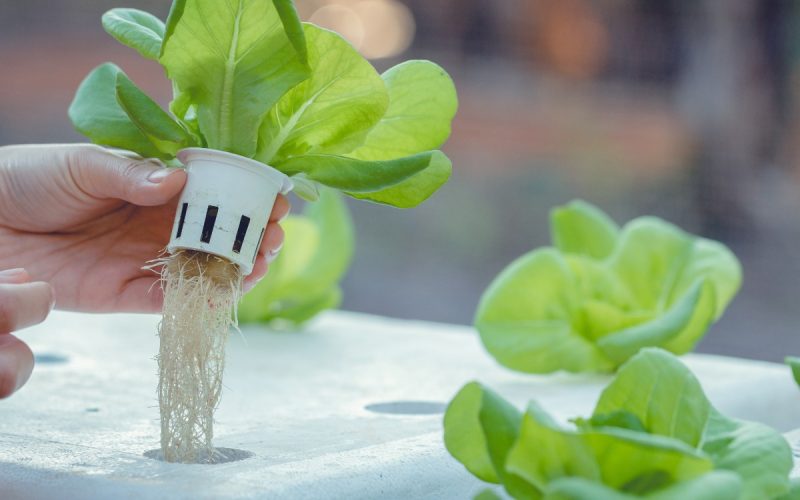
Traditional gardens depend on soil to anchor roots and hold moisture. Hydroponic gardens replace that role with a growing system that gives roots direct access to nutrient-rich water. Some systems suspend roots in water, while others use an inert growing medium to support the plant. The medium does not feed the plant. Instead, the grower mixes nutrients into the water so the roots can absorb what they need.
This direct approach gives gardeners greater control over the root environment. However, that control also creates responsibility. Plants depend on the grower to maintain suitable water conditions and provide enough light. When something changes, hydroponic plants can respond quickly because their roots interact directly with the solution. Regular observation helps beginners notice problems before they become difficult to correct.
Choosing a Hydroponic System
Several hydroponic designs work well for home gardens, but beginners often benefit from starting with a simple setup. Deep water culture places plant roots in an aerated nutrient solution while the plant sits above the reservoir. A wick system uses absorbent material to draw nutrient solution toward the roots.
Before choosing a system, consider the available growing area and the plants you want to raise. A compact countertop setup may suit herbs, while larger leafy plants need more room above and below the growing surface. Think about how easily you can reach the reservoir for cleaning and water changes.
Starting Seeds for a Hydroponic Garden
Most hydroponic plants begin in small starter plugs or another clean, moisture-retaining medium. During hydroponic seed germination, keep the starter material damp rather than saturated and provide the temperature conditions recommended for the plant. Once seedlings develop healthy roots and their first true leaves, they can move into the main hydroponic system.
Handle young seedlings carefully during the transfer. Roots can tear easily, and damaged seedlings may take longer to establish themselves. Place each plant securely in its holder without compressing the stem. After transplanting, watch the seedling for signs of stress and make sure its roots can reach moisture. Gentle early care gives the plant a better chance to adapt to its new environment.
Managing Water and Nutrients
Water quality plays an important role in hydroponic gardening because the nutrient solution directly surrounds or feeds the roots. Use clean water and follow the directions provided with a fertilizer designed for hydroponic growth. Adding more nutrients than recommended does not make plants grow faster. An overly concentrated solution can damage roots and interfere with nutrient uptake.
Gardeners should also monitor pH because it affects how readily plants can use dissolved nutrients. A basic pH testing kit makes routine checks manageable. If the reading moves outside the preferred range for your crops, adjust it gradually with products intended for hydroponic systems. Check the reservoir regularly as plants consume water. Refresh the solution as needed rather than repeatedly adding nutrients without considering the existing concentration.
Providing Enough Light
Plants need sufficient light to produce energy, whether they grow in soil or water. Position the light according to the manufacturer’s recommendations so plants receive useful illumination without excessive heat.
Pay attention to plant growth rather than relying only on a fixed lighting routine. Long, weak stems can indicate insufficient light, while scorched leaves may signal that a fixture sits too close. As plants grow taller, adjust the distance when necessary. A timer can help maintain a consistent daily schedule and reduce the chance of accidentally leaving lights on too long.
Keeping the System Clean
Clean equipment supports healthier roots and makes common problems easier to prevent. Remove dead leaves promptly so decaying material does not collect around the reservoir. When changing the nutrient solution, inspect accessible surfaces for residue and rinse components according to the system manufacturer’s guidance.
Algae can develop when light reaches nutrient-rich water. Covering the reservoir and blocking unnecessary light from wet surfaces can limit its growth. Also check tubing or air stones if your system uses them, since buildup can reduce water movement or aeration.
Watch for Plant Problems
Hydroponic plants communicate problems through changes in their leaves and roots. Yellowing, curling, spotting, or slowed growth can indicate that something in the environment needs attention. Avoid assuming that every unusual leaf means the plant needs more fertilizer. First check the water level and pH, then consider lighting conditions or root health.
Roots deserve regular attention as well. Unpleasant odors or soft roots may indicate poor conditions around the root zone. Addressing the underlying environment early can prevent a minor issue from spreading throughout a shared reservoir.
Good Plants for Beginners
Leafy greens and many culinary herbs are popular choices for first-time hydroponic growers because they fit comfortably in smaller systems and often respond well to controlled conditions. Basil is another familiar option for gardeners who want an edible crop they can harvest repeatedly.
Choose plants based on the space you can provide rather than selecting crops only because they can grow hydroponically. Fruiting plants may require stronger lighting and more physical support than compact greens. Starting with manageable crops lets you learn how your system behaves before taking on plants with greater demands.
Building Confidence With Hydroponics
Hydroponic gardening becomes much less intimidating once you understand that success depends on consistent care rather than complicated technology. Start with a manageable system and learn how your plants respond. Make gradual adjustments when conditions change. Keep the reservoir clean and provide appropriate nutrients. Give each crop enough light for steady growth. As you gain experience, you can experiment with different systems or expand the number of plants you grow.
The most useful beginner’s guide to hydroponic gardening is one that helps you understand the reasons behind each task, because that knowledge makes troubleshooting easier and everyday maintenance more predictable. With patient observation and a dependable routine, you can build a hydroponic garden that supports healthy plants and gives you practical skills for future growing projects.