
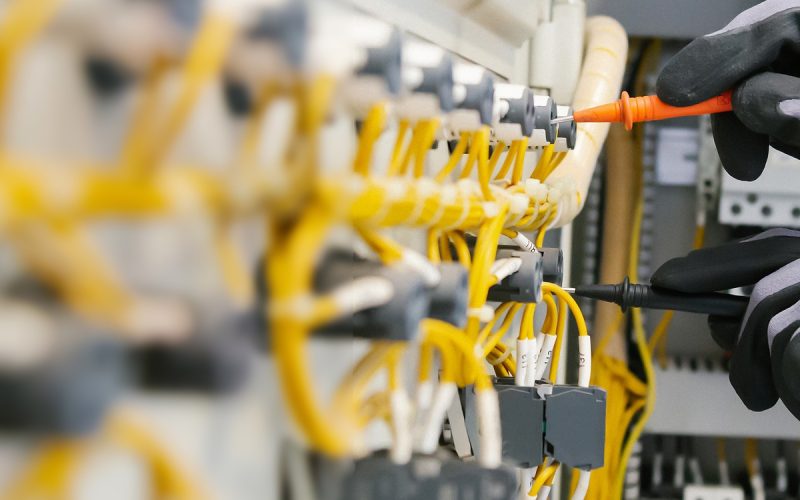
Working with electricity feels a bit like handling a wild animal. You can respect it, but you should never get too comfortable around it. One wrong move could lead to serious trouble. That’s why electrical safety starts with proper equipment. Using the right tools for the job helps prevent accidents and keeps everything running smoothly.
This isn’t just about avoiding a nasty shock. It’s about protecting yourself, your home, and anyone around you from the risks associated with electrical work.
Know Your Gear and Its Limits
Every tool has its purpose and its breaking point. A screwdriver designed for electronics won’t hold up against heavy-duty industrial fasteners. Using equipment for tasks it wasn’t built for invites failure and potential injury.
Always check the manufacturer’s specifications. This simple step tells you what the tool can handle, so you avoid overloading it and creating a hazardous situation.
Choose Insulated Tools for Protection
When you work with live circuits, insulated tools are your best friends. These tools feature a non-conductive coating on the handles, which protects you from electric shock if you come into contact with an energized part.
Look for tools rated for the voltage you’ll be working with. A “1000V” stamp indicates the tool protects up to that level, offering a reliable barrier against electrical currents.
Inspect Your Equipment Before Each Use
Take a minute to inspect your tools before you start any project. Check for cracked handles, frayed cords, or any other signs of damage. Damaged equipment compromises your safety.
A quick visual check can prevent a serious accident. If a tool looks sketchy, don’t use it. It’s much cheaper to replace a faulty tool than to deal with the aftermath of an electrical incident.
Understand Protective Devices
Protective devices are the silent guardians of your electrical systems. Components like a contactor or circuit breaker interrupt power flow during an overload or short circuit, preventing fires and equipment damage. Understanding their function is part of a complete safety approach.
These devices automatically shut off power when they detect a problem. They are the frontline defense that keeps a minor issue from turning into a major disaster.
Proper Equipment Equals a Safer Workspace
Your approach to electrical work sets the tone for safety. Having the right gear isn’t just a suggestion; it’s a requirement for working safely and effectively. By choosing and maintaining your tools correctly, you show respect for the power you’re handling. The reason why electrical safety starts with proper equipment is simple: it’s the most straightforward way to control risk and prevent accidents before they happen.