Going solar sounds like a smart move, especially when you consider lower electricity bills, greater energy independence, and the chance to make your home more efficient. However, before turning your roof into a miniature power plant, it’s worth understanding what you’re actually signing up for.
Solar panels are a significant investment, and the right setup can save you money over time while the wrong one can create expensive headaches. Understanding what homeowners should know before investing in solar energy can help you make a confident decision.
Understand the True Cost of Going Solar
Installing solar panels isn’t cheap, and the upfront price can reach five figures depending on your home’s size, energy consumption, and equipment requirements. While solar reduces electricity expenses over time, your actual savings depend on installation costs, local utility rates, financing, and available incentives.
Before committing, request quotes from at least three reputable installers and compare more than just the final price. Equipment quality, warranty coverage, estimated energy production, and installation experience all influence whether you’re getting a worthwhile deal.
Make Sure Your Roof Is Solar-Ready
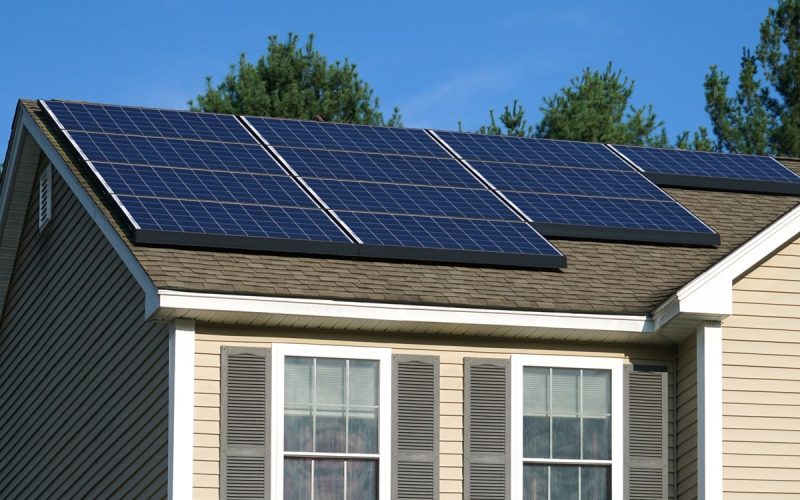
Your roof plays a major role in determining whether solar panels are a practical investment, especially since most systems are designed to operate for decades. If the shingles are nearing the end of their lifespan, replacing them before installation could prevent costly panel removal and reinstallation later.
Roof orientation, available space, and shade also affect electricity production, with south-facing roofs generally offering favorable conditions in the United States. East- and west-facing roofs still work well, but a roof constantly shaded by trees might not deliver the savings you’re expecting.
Know How Much Electricity You Actually Use
Before choosing a solar power system, review your electricity bills to understand how much energy your household consumes throughout the year. Your usage patterns help determine the appropriate system size and whether solar can meaningfully reduce your monthly expenses.
A household running multiple air conditioners, gaming computers, and an electric vehicle charger will likely need more electricity than a smaller home with basic appliances. Consider future upgrades as well, since adding an electric vehicle or switching to electric heating could change your energy needs considerably.
Don’t Forget About Solar Panel Maintenance
Solar panels are relatively low-maintenance, but that doesn’t mean you can install them and completely forget they exist. Dust, leaves, and other debris can accumulate over time, potentially reducing efficiency and requiring occasional cleaning.
Rain handles some cleaning naturally, although homeowners may still need to perform periodic inspections, repairs, or inverter replacements throughout the system’s lifespan. Understanding solar panel maintenance costs helps you budget for these ongoing expenses instead of focusing entirely on the initial installation price.
Fortunately, maintaining solar panels doesn’t usually mean spending every Saturday climbing around your roof with a bucket and sponge. Monitoring energy production and addressing issues when they arise can keep your system performing reliably without turning maintenance into another weekend hobby.
Decide Whether Battery Storage Makes Sense
Solar batteries store electricity for later use, making them appealing to homeowners who experience frequent power outages or want greater control over their energy consumption. However, battery storage adds a substantial expense, and not every household needs it.
Most grid-connected solar power systems without battery backup automatically shut down during outages for safety reasons, meaning solar panels alone won’t necessarily keep your lights running. If your area experiences reliable utility service, skipping battery storage could make your initial investment more manageable.
Research Incentives and Utility Policies
Solar incentives and utility policies can significantly influence your total investment, but the available programs depend on where you live and when your system is installed. State incentives, local rebates, and utility compensation arrangements may affect your savings, so verify current eligibility before making financial assumptions.
Some utility companies provide credits for excess electricity sent back to the grid, although compensation rates and program requirements vary. It’s also worth remembering that fixed utility charges may remain even when your solar panels generate most of your household’s electricity.
Compare Financing Options Carefully
Paying cash isn’t realistic for every homeowner, which is why solar loans, leases, and power purchase agreements are common alternatives. Each option comes with different costs, responsibilities, and ownership conditions that influence your long-term savings.
Solar loans may include interest charges and additional fees, while leases and power purchase agreements can involve ongoing payments or restrictions when selling your home. Read the contract carefully, calculate the total cost over its full term, and avoid getting distracted by a low monthly payment that hides expensive conditions.
Set Realistic Expectations for Energy Production
Solar panels don’t generate the same amount of electricity every day, and seasonal weather patterns can noticeably affect performance. Cloud cover, shorter winter days, shading, and temperature all influence how much power your system produces throughout the year.
Ask your installer for an annual production estimate based on your home’s location, roof conditions, and equipment specifications. Realistic projections are far more useful than assuming your panels will perform like it’s a perfect summer afternoon every day.
Check Warranties and Installer Reputation
Solar panels are built for long-term use, making reliable equipment and warranty protection important considerations before installation. Many manufacturers offer performance warranties, but coverage for equipment defects, installation workmanship, and replacement labor can differ considerably.
Research potential installers by checking customer reviews, licensing, insurance, and experience with residential systems. Ask who handles repairs and warranty claims, because discovering that nobody wants to fix your equipment five years later isn’t exactly the kind of surprise homeowners appreciate.
Consider Your Long-Term Plans
Solar panels generally make more financial sense when you expect to remain in your home long enough to benefit from reduced electricity expenses. If you’re planning to move within a few years, installation costs and financing obligations could outweigh the savings you accumulate.
Although solar panels may appeal to potential homebuyers, they don’t automatically guarantee a higher resale price or faster home sale. Consider your estimated payback period, ownership arrangement, and future housing plans before committing to a system.
Final Thoughts
Investing in solar energy can be a worthwhile home improvement decision, but it requires more planning than simply choosing panels and waiting for lower electricity bills. Installation expenses, roof condition, energy consumption, maintenance, financing, and long-term savings all deserve careful consideration.
Ultimately, what homeowners should know before investing in solar energy comes down to understanding the full financial commitment and choosing a system that fits their household. Compare your options, ask plenty of questions, and make sure the numbers work before signing anything, because a smarter home investment should improve your finances rather than create an expensive problem.