
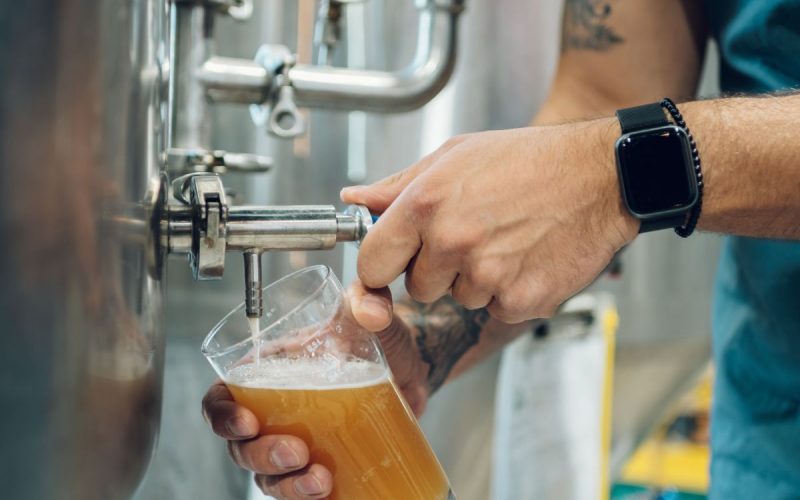
Brewing exceptional beer is about more than just sticking to a recipe—it’s about mastering quality control. Every brewer should know about quality control because it’s the key to creating consistently great beer instead of batches that miss the mark.
Poor quality control can cost time, money, and even your reputation. By adopting proven quality control methods, you can avoid these issues and ensure your beer stands out every time.
Test Your Water Before You Brew
Water accounts for 90% of your beer. Checking water quality before brewing helps avoid off-flavors and potential brewing failures. The pH should typically range from 6.0 to 7.0 for most beer styles. Excessive chlorine can produce medicinal tastes that spoil your batch.
Monitor Fermentation Temperature
Temperature swings during fermentation create unwanted flavors and aromas. We recommend using a digital thermometer with alerts. This way, you can catch temperature problems before they destroy your beer.
Lagers ferment best between 45-55°F while ales prefer 60-75°F. Even five-degree variations can produce fruity esters or harsh alcohols.
Sanitize Everything That Touches Your Beer
Contamination kills more homebrew batches than any other factor. Wild bacteria and yeast create sour flavors and funky aromas nobody wants. Star-San and iodine-based sanitizers eliminate 99.9% of harmful microorganisms. Replace sanitizer solutions every few hours during brew day.
Track Equipment Maintenance and Replacement
Clean equipment produces clean beer. Food-grade lubricants impact production in breweries by keeping pumps and valves running smoothly without contaminating your product. Replace rubber gaskets and O-rings every six months. Scratched plastic equipment harbors bacteria that cleaning cannot remove.
Sample and Taste Throughout the Process
Professional brewers taste their beer at multiple stages. Gravity readings tell you when fermentation completes and help calculate alcohol content. Take notes during each tasting session. Patterns in your notes reveal recurring problems and help you improve future batches.
Document Everything You Do
Successful recipes deserve documentation. Recording ingredients, temperatures, and timing lets you replicate great batches and avoid repeating mistakes. Date stamps on your brewing logs help you track ingredient freshness. Hops lose potency after six months, while grain stays fresh for one year.
Control Your Packaging Process
Oxygen exposure during packaging creates cardboard flavors and reduces shelf life. Purge bottles and kegs with CO2 before filling. Check bottle caps for proper sealing. Loose caps allow air infiltration that spoils beer within days.
Quality control transforms good brewers into great ones. These methods protect your investment in time and ingredients while producing consistently excellent beer. Every brewer should know about quality control because it makes the difference between amateur results and professional-grade beer that impresses everyone who tastes it.