
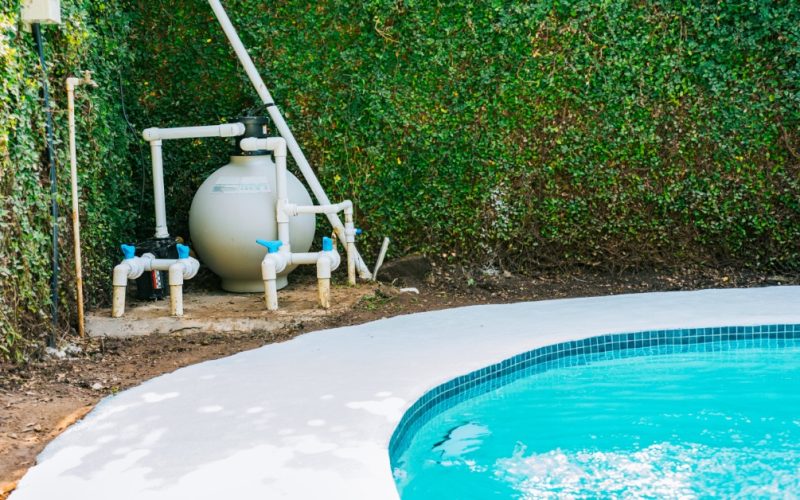
Owning a swimming pool is great right up until the pump starts making a noise that sounds like a power tool losing a fight. The good news is that most pool equipment gives you plenty of chances to prevent trouble before something quits on the hottest Saturday of the year.
Improving pool system reliability mostly comes down to providing consistent equipment maintenance, paying attention to changes, and knowing when equipment needs more than another quick fix. A little prevention can mean more weekends swimming and fewer weekends staring suspiciously at the equipment pad.
Keep Water Chemistry Consistent
Balanced water chemistry does more than keep a pool comfortable and clear. It also helps protect equipment and pool surfaces from conditions that can contribute to corrosion, scale buildup, and premature wear.
Test the water regularly and pay attention to pH, sanitizer levels, and total alkalinity. Correcting small changes is generally easier than dealing with neglected water chemistry after it has had time to cause problems.
Give the Pump Room To Work
Your pool pump handles the not-so-glamorous job of keeping water moving through the system. When circulation suffers, filtration and sanitation can suffer along with it.
Be sure to empty the pump and skimmer baskets before they become packed with leaves, bugs, and whatever else your backyard throws at them. Also be on the alert for unusual noises, leaks, loss of prime, or noticeable changes in water flow, and address concerns accordingly.
Stay Ahead of Filter Maintenance
The filter is basically your pool’s defensive line, quietly dealing with debris so you don’t have to. Depending on your pool system, routine care may involve cleaning cartridges, backwashing, or other manufacturer-recommended maintenance.
Pay attention to the filter’s pressure gauge rather than relying only on the maintenance calendar. A significant change from the system’s normal operating pressure can signal that something within the system deserves attention.
Don’t Ignore Small Leaks
A tiny drip around the equipment pad is easy to dismiss, especially when everything still seems to be working. Unfortunately, leaks have a habit of becoming considerably less charming with time.
Check all connections, valves, seals, pipes, and equipment for visible moisture during routine inspections. Catching a worn seal or loose fitting early may prevent water loss and additional pool equipment trouble.
Learn What Normal Looks and Sounds Like
One of the simplest ways to spot pool problems is to know how the system behaves when everything is healthy. Become familiar with normal pressure, circulation, operating sounds, and water levels.
That baseline makes unusual behavior much easier to notice. A new vibration, strange sound, weaker return flow, or unexpected pressure reading deserves investigation rather than the classic homeowner strategy of hoping it magically disappears.
Repair Problems Before They Multiply
Pool equipment operates as a system, so trouble in one area can affect performance elsewhere. Weak circulation, for example, may make it harder to maintain clean water even if the filter itself isn’t the original problem.
Early diagnosis can keep a manageable issue from becoming a bigger headache. It also makes it easier to decide whether you’re dealing with ordinary pool maintenance, a repairable failure, or equipment that is reaching the end of its useful life.
Know When Repair Stops Making Sense
Fixing pool equipment is often sensible when the problem is minor and the unit has otherwise been dependable. Repeated failures on older equipment, however, can turn inexpensive-looking repairs into a steady stream of service costs.
When a pool pump, filter, heater, or control system keeps causing problems, consider its age, repair history, overall condition, and expected future performance. Understanding when to replace versus repair pool equipment can help you look beyond today’s repair bill and consider whether the fix is likely to deliver dependable service.
Protect Equipment From Its Environment
Pool equipment is built for outdoor use, but that doesn’t mean it enjoys being buried under leaves or surrounded by overgrown landscaping. Keep the equipment area clean and maintain enough clearance for ventilation, inspection, and service.
Avoid enclosing pool equipment in ways that interfere with airflow or access unless the setup follows the equipment manufacturer’s requirements. You want to set up protection from debris without creating a box that makes routine pool maintenance a wrestling match.
Use Timers and Automation Wisely
Automation can make routine pool operation easier, but the settings still need occasional attention. Seasonal changes, heavy pool use, and changes to the pool itself can affect how long equipment should operate.
Review schedules periodically instead of setting them once and forgetting about them for five years. If equipment runs at unexpected times or controls behave inconsistently, it’s best to investigate the cause rather than assuming the electronics are just being moody.
Keep Basic Maintenance Records
You don’t need a three-ring binder worthy of an aircraft mechanic. A simple note on your phone can track pool filter cleanings, equipment repairs, unusual pressure readings, and other important maintenance.
Those records become especially helpful when the same issue keeps returning. Seeing that a particular component has required several repairs in a short period can make the repair-or-replace decision much clearer.
Schedule Periodic Professional Inspections
DIY maintenance goes a long way, but an experienced pool technician can spot problems that aren’t obvious during a casual walk around the equipment pad. An inspection can be particularly useful when performance changes, equipment ages, or you’re considering pool upgrades.
Professional diagnosis also helps prevent replacing the wrong component when several parts of the system could produce similar symptoms. Guessing gets expensive fast when pool equipment is involved.
Make Reliability a Routine
The best approach to improving pool system reliability isn’t complicated: maintain the water, keep circulation and filtration systems clean, notice changes, and address problems before they become emergencies. Consistency beats heroic repair work after months of neglect.
A dependable pool shouldn’t demand your attention every weekend. Take care of the equipment in small doses, and you’ll have a much better chance of spending Saturday afternoon in the water instead of crouched beside the pump with a flashlight and several choice words.