
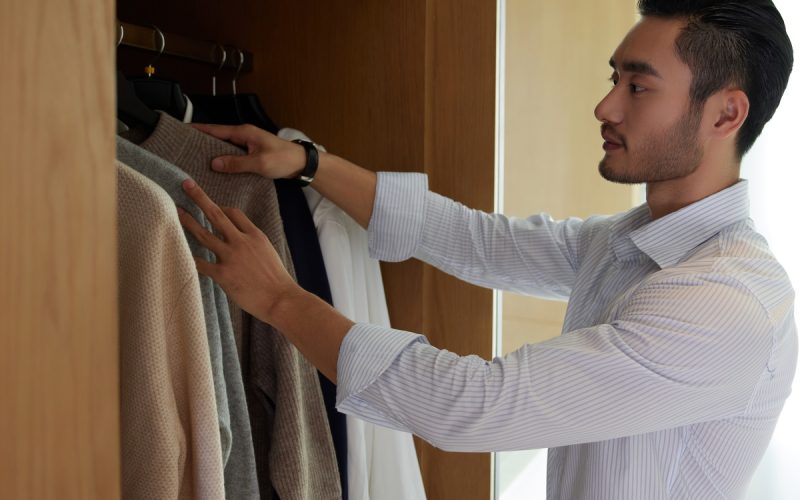
Building a solid wardrobe doesn’t mean spending a fortune on designer clothes or filling your closet with every new trend. It’s about choosing pieces that look good, feel comfortable, and hold up through years of regular wear.
Understanding the ways to build a wardrobe with pieces that last can save you money, simplify your mornings, and help you develop a personal style that works for your lifestyle. The secret is knowing what deserves your money, what makes clothing durable, and how to keep your favorite pieces looking their best.
Start With Versatile Wardrobe Essentials
Before shopping for new clothes, take a good look at what you already own and identify the pieces you wear most often. Those everyday favorites are usually the best starting point for building a practical wardrobe.
Focus on essentials like well-fitting jeans, plain T-shirts, chinos, button-down shirts, and a versatile jacket. These staples work for everything from casual weekends to dinner plans without requiring much thought.
Neutral colors like navy, black, gray, white, and olive make mixing and matching easier. You can still add personality with colorful shirts or accessories, but keeping your core pieces simple gives you more outfit options with fewer clothes.
Choose Quality Fabrics and Construction
Fabric quality plays a major role in how long clothing lasts, but a higher price doesn’t automatically mean better materials. Learning to recognize durable fabrics can help you avoid spending good money on clothes that lose their shape after a few washes.
Cotton is a dependable option for everyday shirts because it’s breathable, comfortable, and relatively easy to maintain. Look for fabric that feels substantial and holds its shape without being unnecessarily stiff.
Wool is another excellent choice, especially for sweaters and outerwear, because it provides warmth and can maintain its appearance with proper care. For jeans, sturdy denim with consistent stitching offers better long-term value than thin material that stretches or wears out quickly.
Always check the details before buying, including seams, buttons, zippers, and stitching. Loose threads, uneven seams, and flimsy hardware can indicate construction problems that become more noticeable with regular wear.
Invest in Durable, Comfortable Footwear
Shoes experience more daily wear than most clothing, making footwear one area where quality really matters. A dependable collection might include comfortable sneakers, versatile boots, and dress shoes for occasions that call for something more polished.
Leather boots are particularly worthwhile because quality leather develops character as it ages and can remain attractive for years. Understanding how to spot high-quality leather in cowboy boots and other boot styles allows you to recognize important differences in texture, flexibility, and material quality before making a purchase.
Pay attention to the soles, stitching, and overall construction rather than choosing footwear based entirely on appearance. Some well-made boots can even be resoled, allowing you to extend their lifespan instead of replacing them when the soles wear down.
Stick With Timeless Styles
Fashion trends change constantly, but classic clothing rarely looks out of place. Instead of rebuilding your wardrobe every season, choose styles that have remained popular because they’re practical and easy to wear.
Straight-leg jeans, Oxford shirts, crewneck sweaters, and simple leather jackets are reliable examples. These pieces work with different outfits and can transition between casual and slightly dressier settings.
There’s nothing wrong with experimenting with trends, but they shouldn’t dominate your closet. Before buying something particularly fashionable, consider whether you’ll still enjoy wearing it a few years from now.
Prioritize Fit Over Brand Names
Even expensive clothing can look awkward when it doesn’t fit properly. A reasonably priced shirt that fits your shoulders and torso will look better than a designer shirt that’s two sizes too big.
Pay attention to shoulder seams, sleeve lengths, waist measurements, and how pants fall over your shoes. Your clothes should allow comfortable movement without looking excessively loose or feeling restrictive.
Since sizing varies between brands, try items on whenever possible and don’t rely entirely on the number printed on the tag. Basic tailoring can also make a noticeable difference, especially when adjusting pant lengths or refining the fit of a favorite shirt.
Take Care of Your Clothes
Buying durable clothing is only part of the equation because poor maintenance can shorten the lifespan of even well-made garments. Fortunately, keeping clothes in good condition doesn’t require an elaborate routine.
Start by checking care labels and following the recommended washing and drying instructions. Washing garments only when necessary can help reduce fading, shrinking, and wear.
Air-drying suitable items minimizes heat-related damage, while folding sweaters helps prevent stretching. Small repairs are worth handling early, too, since replacing a loose button is much easier than replacing an entire jacket.
Proper storage also matters, especially for seasonal clothing. Keep garments clean and dry, use supportive hangers for jackets, and avoid overcrowding your closet.
Shop Smarter Instead of Shopping More
One of the most practical ways to build a wardrobe with pieces that last is to focus on how much use you’ll get from each purchase rather than how exciting the price tag looks. Before buying something, consider whether it works with your existing clothes and fits your daily routine.
Thinking about cost per wear can also put purchases into perspective. A $150 pair of boots worn 150 times costs $1 per wear, while a $50 pair worn only 10 times costs $5 per wear.
This doesn’t mean expensive clothing is always the better choice. It means prioritizing construction, comfort, versatility, and realistic use over impulse purchases.
Keep Your Closet Practical and Organized
An organized wardrobe makes getting dressed easier and helps prevent unnecessary purchases. When you can see what you own, you’re less likely to buy another nearly identical sweater that’s already hiding behind your winter coat.
Review your clothes occasionally to identify items that need repairs, no longer fit, or rarely get worn. Donate usable pieces you no longer need and make a short list of genuine wardrobe gaps before shopping.
Build a Wardrobe That Works for You
A lasting wardrobe comes together gradually through thoughtful purchases and consistent care. You don’t need to replace everything you own or spend beyond your budget to start making better clothing decisions.
Focus on quality materials, reliable essentials, comfortable fits, and styles you’ll actually enjoy wearing. Over time, you’ll build a wardrobe that looks good, lasts longer, and makes getting dressed one less thing to worry about.