
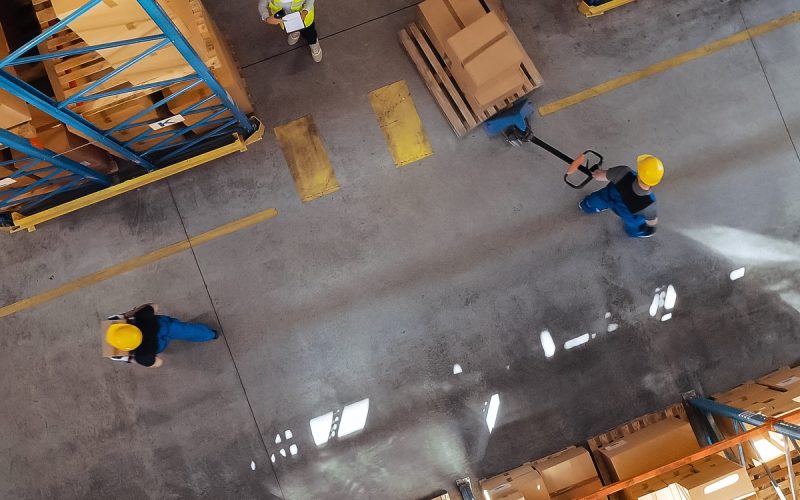
Maintaining a safe and efficient warehouse environment is critical for the well-being of employees and the overall productivity of the operation. Warehouses often contain heavy equipment, high shelving, and busy workflows, making safety a top priority. By following the key warehouse safety practices, employees can prevent accidents, reduce risks, and ensure smooth day-to-day operations.
Proper Use of Equipment
One of the biggest contributors to warehouse injuries is the misuse of equipment. Employees should always be trained thoroughly on the correct operation of machinery such as forklifts, pallet jacks, or conveyor systems.
Regular inspections should also be conducted to ensure that equipment is in good working condition and free of defects. Taking the time to verify that all equipment meets safety standards can help avoid accidents related to mechanical failure.
Workers should also wear appropriate protective gear when operating machinery, such as steel-toed boots, gloves, and helmets, based on the specific tasks assigned to them.
Handling and Stacking Boxes
Incorrect handling and stacking of boxes can pose severe risks, including injuries from fallen objects or strain from improper lifting techniques. Employees should lift boxes using their legs rather than their back to prevent strain and long-term injuries.
Heavy items should be stored on lower shelves to minimize the chances of them falling. When stacking boxes, workers should ensure stability by creating aligned stacks with evenly distributed weight.
Avoid creating stacks that are too high or precarious, as they can quickly become a safety hazard in a busy environment. There can be a lot that goes into proper handling of warehouse boxes, so ensure that you and your employees have a thorough understanding to maintain safety.
Maintaining a Clean and Organized Workspace
An organized and clutter-free warehouse is crucial to ensuring employee safety. Spilled liquids, stray tools, and misplaced items can lead to slips, trips, and falls, one of the most common causes of workplace accidents.
Workers should take the responsibility to clean spills promptly and store tools or equipment in their designated areas. Clear walkways and emergency exits ensure that employees can safely and quickly move through the space without obstruction.
Regularly scheduled housekeeping tasks should be part of the warehouse’s standard operating procedure to uphold these standards.
Inspecting and Maintaining Storage Systems
Regular inspections of storage systems such as shelving units and racks are essential for preventing accidents, as overloaded or damaged shelving can collapse, putting employees at significant risk.
Supervisors and employees should work together to routinely assess storage systems for signs of wear and tear, ensuring weight limits and structural integrity are not compromised. Addressing issues immediately not only protects employees but also safeguards valuable inventory.
Encouraging a Culture of Safety
Warehouse safety isn’t just about following rules; it’s about fostering a culture where safety takes precedence over everything else. Management should encourage open communication, allowing employees to report hazards, suggest improvements, or ask questions about safety procedures without fear of repercussions.
Periodic training sessions and safety workshops will keep employees updated on best practices and reinforce a sense of shared responsibility.
Keep Everyone Safe
Workplace safety is not just a regulatory requirement but a fundamental component of a productive and thriving warehouse environment. By fostering a culture of awareness, communication, and ongoing education, you can safeguard your employees and protect your operations. Be aware of the crucial warehouse safety tips all employees should know and create an environment that prioritizes safe practices.