
Hobbies get expensive once you move past the beginner stage. Cheap starter gear slowly gives way to better equipment because you care about the experience.
Then one day, you notice rust on a favorite tool or mildew inside a bag you forgot to unpack. If you want to stop letting your favorite hobby gear wear out, pay more attention to what happens after the fun ends.
A short cleanup routine protects the money you already spent!
Rinse Fishing Gear Before Salt Gets Comfortable
If you fish near the coast, rinse your rods and reels with fresh water after the trip. Avoid blasting reels with high pressure because water might push debris farther inside!
A simple, gentle rinse does the job. Then let everything dry before storage.
Tackle boxes also collect more grime than we like to admit. Remove damp items rather than closing the lid and forgetting about them for three weeks!
You paid for a day on the water, not an afternoon fighting corroded gear later.
Keep Your Bike Clean
Cycling gives you a solid workout, but your bike collects evidence from every mile. For example, road grit settles around the drivetrain.
Mud often sticks to moving parts after trail rides. Leave enough buildup, and suddenly shifting starts feeling rough.
You do not need to scrub the entire bike after every ride. Focus on the areas where dirt affects movement, then wipe the chain and inspect the tires before putting the bike away.
Give Horseback Riding Gear Time To Breathe
A good horseback ride leaves plenty behind on your equipment. Sweat often works its way into saddle pads, while dust settles into tack during dry summer days.
If you throw everything into a closed storage space afterward, moisture has plenty of time to cause trouble. Start by letting damp equipment dry before putting anything away.
Wool needs airflow, especially after a hot ride. Brush away loose hair once the pad dries so buildup does not settle deeper into the fibers.
If you’re storing your wool saddle pad for summer, give it a thorough cleaning first. Let the material dry completely before placing the pad somewhere clean and protected.
Folding damp wool into a tack trunk is basically an invitation for unpleasant smells to move in.
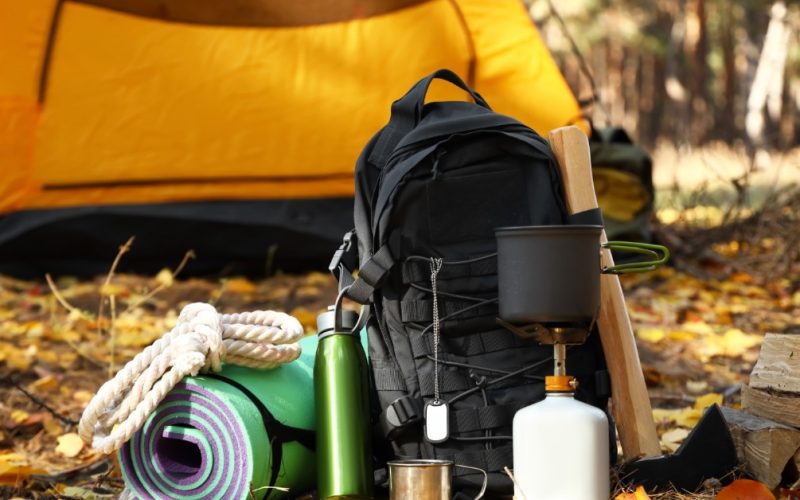
Dry Camping Gear Before Packing Everything Away
Camping gear has one classic enemy: the rushed Sunday-night unpack. You get home tired.
The tent goes into the garage, then the sleeping bag stays compressed because Monday morning already feels too close.
Fight that temptation!
Set up damp gear at home long enough to dry everything. A tent packed with moisture might smell terrible the next time you open the bag.
Before storing your camping equipment, handle a few basics:
- Dry tents fully before folding them
- Shake debris from sleeping bags
- Empty food from backpacks
- Check tent poles for damage
- Remove batteries from rarely used devices
You do not need an elaborate ritual. You need ten focused minutes before the gear disappears into storage.
Protect Woodworking Tools From Rust
Woodworking has a way of turning one tool purchase into seventeen. Eventually, your garage starts looking suspiciously close to a small hardware store.
Those tools deserve better than a dusty corner. Wipe hand tools after use, especially if moisture gets into your workspace.
Keep metal surfaces dry when humidity rises. Rust does not care how much you paid for a good chisel.
Power tools need attention too. Clear sawdust from vents so motors get proper airflow, and check cords for damage before the next project.
Sharp cutting tools also work more safely than neglected ones. If your blade starts forcing you to push harder, deal with the edge before your next cut.
Tool maintenance sounds boring until you compare the effort with replacing equipment you already owned.
Give Golf Gear a Proper Home
Golf clubs spend plenty of time around wet grass and sandy bunkers. Then many players toss the bag into a trunk until next weekend.
Take a few minutes to clean clubfaces after a round. Dirt packed into the grooves affects contact with the ball.
A soft brush and a little water usually handle routine grime. Just make sure to dry the clubs before putting them back in the bag!
Your grips matter too. Sweat and sunscreen gradually make them slick.
Clean them occasionally so your hands do not work harder than necessary. Lastly, store the bag in a dry place.
Stop Leaving Water Sports Gear in the Bag
Surfing and paddle sports create another storage problem because everything comes home wet. A closed gear bag turns into a tiny swamp if you leave soaked equipment inside.
First, unpack as soon as you get home. Rinse salt from your gear with fresh water, then hang items where air can move freely around them.
Pay attention to straps and other connection points, too. Small tears become larger once the material stays under tension.
If you use an inflatable paddleboard, follow the manufacturer’s storage guidance instead of leaving the board baking in direct sun. Heat creates unnecessary stress on materials.
Build a Routine That Fits Your Hobby
You do not need a different maintenance calendar for every object you own. Instead, create a short routine for each hobby.
Think about what usually damages the gear you use. Moisture causes trouble for some equipment, while dirt creates more problems elsewhere.
Start with the first five minutes after you finish. Rinse what needs rinsing.
Dry what needs drying. Check the parts most likely to wear out.
This habit also saves time before your next outing. You will not spend Friday night searching for a missing piece or realizing something broke three weeks ago.
Keep Your Gear Longer
As you stop letting your favorite hobby gear wear out, you start getting more value from the hobbies you already enjoy. Good equipment usually costs enough to justify not replacing pieces early because of preventable neglect.
You do not need to become obsessive about maintenance. Just give your gear the same basic respect you give the hobby itself!
Your hobby should take your money because you chose an upgrade, not because you forgot a wet bag in the garage.