
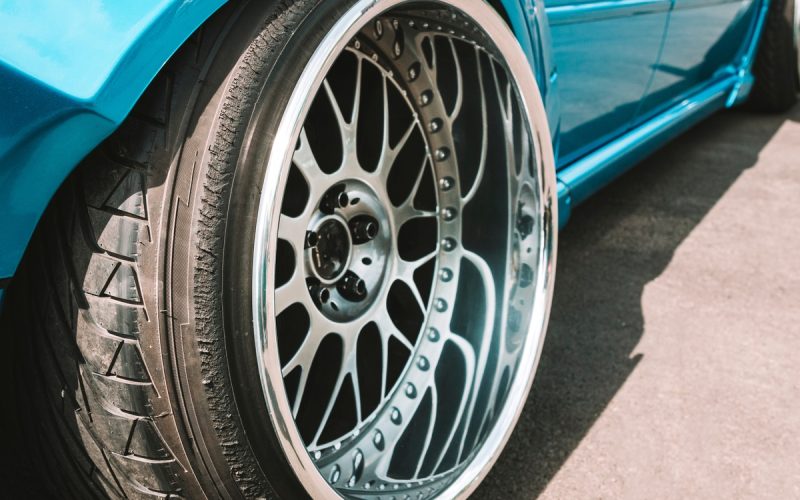
You spent the weekend perfecting the stance of your car, and now it looks amazing, sitting low to the ground. But before you hit the streets to show it off, you should probably ask: Is your lowered vehicle still street legal?
State and local laws have a lot to say about modified suspensions. A fix-it ticket is a surefire way to ruin your day.
Let’s run through the basics so you can avoid common trouble spots and unwanted attention from law enforcement.
The Lowdown on Height Rules
Most states have minimum ground clearance laws. These rules often measure from the lowest point of your vehicle’s frame to the pavement.
Your headlights and bumpers must also remain within a specific height range. A tape measure is your best friend here; check your local regulations for the exact numbers.
Suspension and Wheel Fitment
The way you lowered your ride matters. Your decision when choosing between coilovers or lowering springs affects more than just handling; the suspension must still have adequate travel.
Your wheels and tires can’t just stick out wherever you want. Many places have “scrub line” rules, meaning your wheels can’t be the first thing to hit a curb.
You’ll also need to watch out for tire poke regulations. These dictate how far your tires can extend beyond the fenders.
Alignment, Lights, and Noise
Extreme negative camber might look cool, but it can get you pulled over if it violates local alignment standards. Make sure your custom setup doesn’t interfere with proper steering control.
Lowering your car can throw off your headlight aim, creating a hazard for other drivers. Your exhaust can’t be dragging on the ground, and it definitely can’t be louder than the local noise ordinance allows.
Brakes, Plates, and Daily-Driver Practicalities
Don’t overlook brake line clearance after dropping your car. When everything’s closer to the pavement, those lines need extra protection from curb rash and road debris.
Your license plate must still be clearly visible and mounted at the correct height, so nothing can block it from view. If your plate ends up scraping on the driveway, you’ve gone a little overboard.
Consider everyday obstacles like speed bumps, steep parking lots, and unexpected potholes. A slammed ride takes patience and finesse—unless you really enjoy a good bumper scrape at 7 a.m.
Remember, building a showstopper is awesome. Building something you can actually drive every day is even better.
A quick check of your local vehicle code is the best way to keep your project on the road. Taking a few minutes to verify the rules is much better than explaining your mods, so always confirm: Is your lowered vehicle still street legal?