
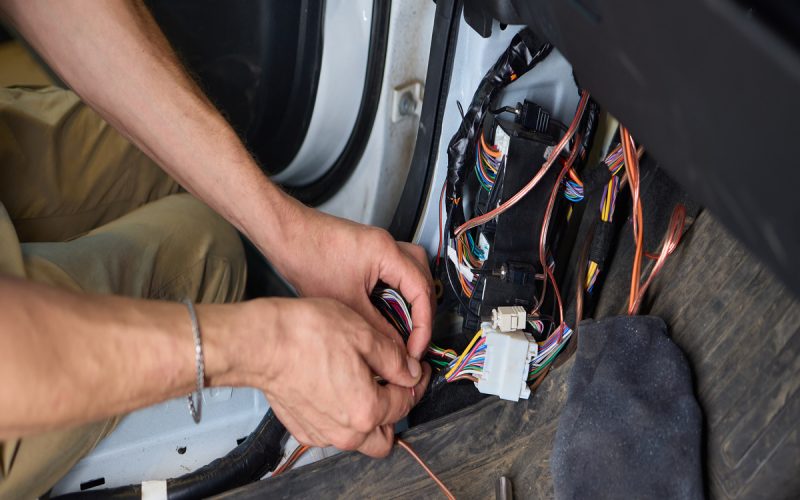
Electrical gremlins in a vehicle cause endless frustration. You turn the key, and nothing happens, or maybe a headlight flickers intermittently on a dark road.
These issues usually trace back to damaged wiring. Learning a few tricks can save you a trip to the mechanic.
Let’s dive into some important tips for repairing wires in your car so you can get back on the road safely.
Diagnose with Precision
Guesswork leads to wasted time and unnecessary parts. A multimeter is your best friend here.
This tool allows you to check for continuity, voltage, and resistance. You connect the probes to different points in the circuit to isolate the break or short.
Once you pinpoint the exact location of the damage, the repair becomes much more manageable.
Disconnect the Battery First
Safety must come before anything else.
Before you cut, strip, or solder any wire, disconnect the negative battery terminal. This step prevents accidental short circuits that could damage sensitive electronic components or cause sparks.
It also protects you from shocks. A few seconds here prevents major headaches later.
Clean the Wire Ends
Dirt and corrosion act as barriers to electricity. When you expose the copper strands, they should shine.
Use a wire brush or fine sandpaper to remove any oxidation or grime. Clean connections allow electricity to flow without resistance.
This step extends the life of your repair significantly.
Use the Right Connectors
Twisting wires together and wrapping them in electrical tape is a recipe for failure. Vibration will eventually shake them loose.
Crimp connectors or solder seal wire connectors provide a permanent bond. These specialized connectors grip the wire firmly.
They also resist the constant shaking that occurs while you drive. Learning the differences between 2-pin and 4-pin connectors is a good start so you know how to compare and narrow down your choices.
Protect Your Work
Exposed repairs invite moisture and corrosion back in. Heat shrink tubing offers the best protection
Slide the tubing over the wire before you connect the ends. Once the connection is secure, slide the tubing over the repair and apply heat.
The tubing shrinks to form a watertight seal. This barrier keeps the elements out and ensures a long-lasting fix.
These important tips for repairing wires in your car give you the confidence to tackle electrical issues head-on. With the right approach, you can fix those annoying glitches yourself.
Grab your tools and give your car the attention it deserves today.