
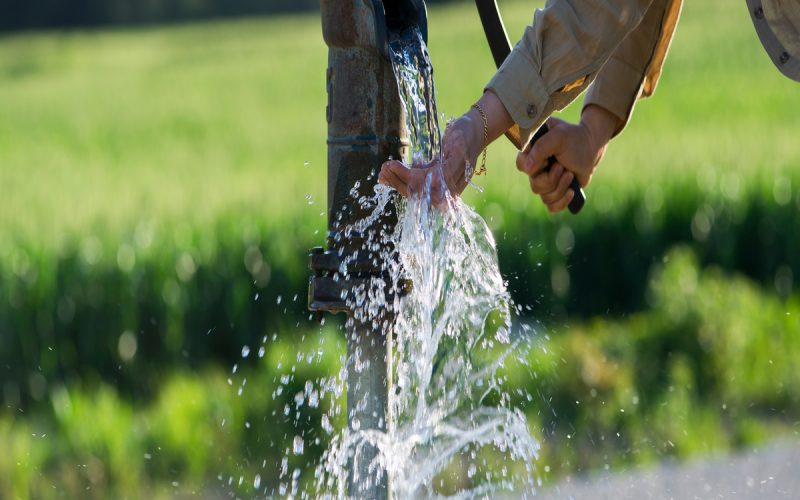
You wake up, grab a glass of water, and drink it without much thought. But do you know what might be in that glass? If you rely on a private well, ensuring the quality of your water is your responsibility.
Understanding how to protect your well water from contamination is essential for safeguarding your health and maintaining your property’s value. Before exploring ways to keep your water safe, it’s essential to recognize the risks and sources of contamination.
Know Your Surroundings
Start by looking around your property and the adjacent land. Industrial sites, old landfills, or even your neighbor’s septic tank pose legit risks to your aquifer. Contaminants often travel underground in ways you can’t see from the surface.
Inspect the Wellhead
Walk out to your well and conduct a thorough visual inspection. Check the well cap and casing for any cracks, damage, or loose seals. Bugs and rodents love crawling into small spaces, which can degrade your water quality.
A tight seal keeps the bad stuff out and the good things in. If the ground around the casing slopes toward the well, adjust the grade to direct rainwater away.
Manage Hazardous Chemicals
Be smart about where you store paint, motor oil, and pesticides. Spilling these chemicals near your wellhead creates a direct path for toxins to enter your drinking supply. Keep hazardous materials far away from the source to prevent accidental leaching.
Schedule Annual Tests
You wouldn’t drive a car for years without an oil change. Treat your water supply with that same respect by scheduling annual tests. Professional analysis detects invisible threats such as bacteria or nitrates before they cause illness.
Ignoring potential issues can lead to costly repairs down the road. Understanding why you should prioritize groundwater quality helps you make better decisions for your home. Proactive monitoring secures a safe resource for the future.
Check Your Septic System
If you have a septic system, it is essential to perform regular maintenance to ensure it functions properly. A failing tank can discharge untreated waste directly into the soil, where it can migrate into your groundwater, posing health and environmental risks.
To prevent this, have your septic tank inspected and pumped out every few years, depending on usage, to keep the system operating smoothly and avoid costly repairs.
Filter Wisely
Sometimes, even the most effective prevention methods can overlook certain contaminants. Installing a comprehensive whole-home filtration system offers an additional layer of protection by effectively capturing sediments, minerals, and other particles that may bypass your existing safeguards. This system helps to improve water quality throughout your entire household.
Take Control of Your Water Supply
Taking these steps gives you total control over your home environment. You don’t need a degree in geology to figure out how to safeguard your well water from contamination. It just takes a little effort and consistency.
Don’t wait for the water to taste funny before you act. Grab a testing kit or call a pro this week. Your gut will thank you later.