
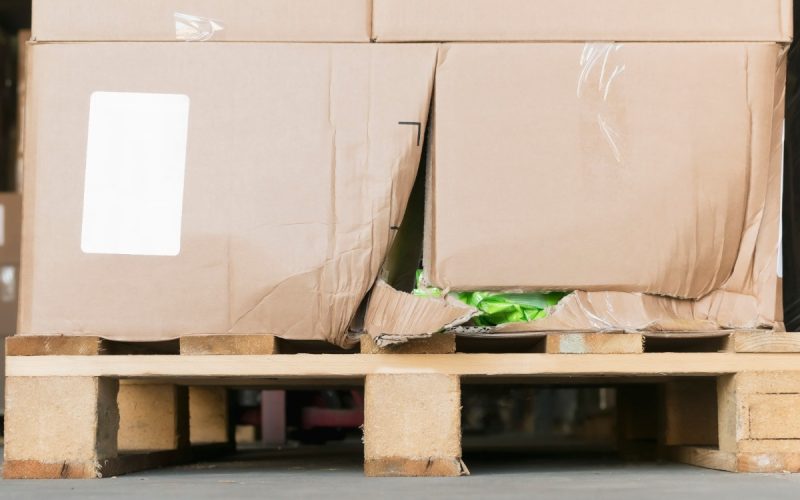
Getting a shipment out the door feels pretty good until you discover that somewhere between your warehouse and its destination, disaster struck. Crushed boxes, cracked products, shifted pallets, and mysterious dents can turn an otherwise routine delivery into an expensive headache.
The good news is that reducing product damage during shipping doesn’t have to mean wrapping every box like it contains a priceless artifact. A few smarter decisions about packaging, pallet construction, securement, and handling can make shipments much more likely to arrive looking the way they did when they left.
Start With Packaging That Fits the Product
A sturdy shipping box matters, but bigger and thicker aren’t automatically better. The package should match the product’s weight, shape, fragility, and likely shipping conditions.
Too much empty space gives the product room to move, while an undersized package can put pressure directly on vulnerable components. Neither situation tends to end well after several hundred miles in a truck.
Limit Movement Inside the Box
A product that can slide around inside its package can build momentum every time the shipment stops, turns, or hits a rough patch of road. Fill empty spaces with appropriate cushioning materials that restrict movement without putting excessive pressure on the product.
Foam, air pillows, molded inserts, paper, and other protective materials each have useful applications.
Protect Vulnerable Areas
Corners, glass surfaces, protruding parts, and delicate finishes deserve extra attention. If one section would make you nervous while carrying the product down a flight of stairs, it probably deserves more protection before entering the distribution system.
Corner guards, separators, inserts, and surface protection can absorb forces before they reach the product itself.
Build a Better Pallet
If you want to reduce product damage during shipping, you can’t overlook the pallet. A strong box can only do so much if the pallet underneath it resembles a losing game of Jenga. Palletized shipments need a stable foundation before stretch film or other securement methods can do their job.
Start with a pallet that is in good condition and an appropriate size for the load. Broken boards, exposed nails, loose components, and undersized pallets create problems before the truck even leaves the dock.
Balance the Weight
Place heavier items lower on the pallet whenever the product configuration allows it. This lowers the center of gravity and makes the load less prone to tipping or shifting.
Weight should also stay reasonably balanced across the pallet surface. A load that is dramatically heavier on one side can become unstable during forklift movement, braking, and turns.
Avoid Excessive Overhang
Boxes that extend beyond the pallet edges lose support underneath them. Those unsupported sections can crush, bend, or catch on nearby freight during handling.
Keeping packages inside the pallet footprint also makes the entire load easier to secure. Think of the pallet as the shipment’s foundation rather than a vaguely suggested boundary.
Secure the Entire Load
Even if you pack an individual box perfectly, it can still suffer damage if the pallet moves as a collection of separate pieces. Load securement helps the shipment behave more like one solid unit during transportation.
Stretch film, straps, edge protection, and other securement materials can all contribute to stability. The right combination depends on the size, weight, shape, packaging materials, and transportation conditions involved.
Pay Attention To Stretch Wrapping
More stretch film does not automatically create a more secure pallet. Film placement, tension, containment force, pallet bonding, and load configuration all influence how well the wrap performs.
A badly constructed load wrapped in half a mile of plastic is still a badly constructed load. Understanding the common causes of pallet load failure during transit can help operators wrap their pallet load more effectively.
Secure the Load to the Pallet
Wrapping boxes together without adequately connecting them to the pallet can allow the entire stack to slide across the deck. That movement becomes especially troublesome during braking, turning, and forklift handling.
Make sure your securement method helps the pallet and its contents move as one unit. At the same time, avoid placing film or straps where forks and pallet jacks can damage them.
Consider What Happens Inside the Truck
Shipping conditions are not particularly sentimental about your packaging. Loads experience vibration, acceleration, braking, turns, impacts, temperature changes, and handling before reaching their destination.
Design packaging with those forces in mind rather than judging a shipment only by how stable it looks while sitting peacefully on a warehouse floor.
Prepare for Vibration
Continuous vibration can gradually loosen packaging, shift products, and weaken load stability. Frequent small movements over many hours can create a much bigger problem than one dramatic bump.
Internal cushioning and secure pallet construction help restrict that movement.
Account for Stops and Turns
A pallet does not politely remain stationary when a truck brakes. Products want to keep moving, which is why unstable stacks and poorly secured boxes can shift forward or sideways.
This matters even more with tall loads or products that have unusual weight distribution. Lowering the center of gravity and strengthening load containment can make those shipments more resistant to sudden movement.
Make Handling Part of the Plan
Not all product damage happens on the highway. Forklifts, pallet jacks, conveyors, loading docks, and warehouse transfers create plenty of opportunities for trouble.
Clear labels can help when products require specific handling, but packaging should never depend entirely on everyone treating the shipment like a newborn puppy. Build enough protection into the package to handle realistic bumps and movements.
Inspect Shipments Before They Leave
A final inspection creates one last chance to catch problems while they are still cheap and easy to fix. Look for loose boxes, damaged cartons, leaning stacks, torn film, broken pallet boards, and packages extending beyond the pallet.
Check the entire load from multiple angles rather than giving it the classic three-second warehouse glance. If something looks questionable while the pallet is sitting still, transportation probably won’t improve it.
Test Changes Instead of Guessing
Shipping improvements work best when they come from evidence rather than instinct. If you change box strength, cushioning, pallet patterns, or wrapping settings, compare the results against previous shipments.
Change one major variable at a time when practical. Otherwise, you may fix the problem without knowing which adjustment did the work.
Balance Protection With Practicality
It’s technically possible to protect almost anything by burying it beneath an absurd amount of packaging. That approach tends to create new problems involving cost, material use, packing time, and annoyed employees.
Better packaging uses materials where they make a meaningful difference. Reinforce vulnerable points, stabilize the load, and remove unnecessary material that adds expense without providing meaningful protection.
Create a Smarter Shipping Routine
The best way to ensure your products arrive intact is to treat packaging, palletizing, securement, and handling as parts of the same process. Fixing one area while ignoring the others can leave a shipment vulnerable in ways that aren’t obvious until something arrives damaged.
Strong shipping practices are not complex, either. Build stable loads, protect the product where it needs protection, inspect what leaves the dock, and use damaged shipments as information for improving the next one.