
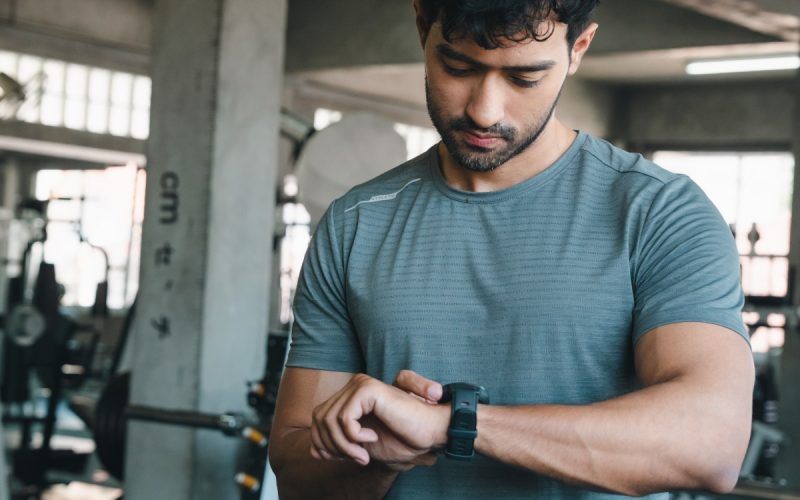
Walking into a fitness facility should feel like stepping into a space filled with possibilities. Some members arrive determined to improve their endurance, while others want to gain strength, become more mobile, manage stress, or simply establish a healthier routine. The challenge for fitness facilities is creating an environment capable of supporting all of these goals without making the experience feel overwhelming or repetitive.
Understanding how fitness facilities create engaging workout experiences requires looking beyond individual machines or workout programs. Engagement develops through a combination of thoughtful equipment selection, intuitive layouts, workout variety, and opportunities for progression. When these elements work together, members have more reasons to stay interested in their routines and continue showing up.
Offer Enough Variety to Keep Exercise Interesting
Repeating the same workout every visit can eventually make exercise feel predictable. Even members who initially enjoy a particular routine may begin looking for something different after several weeks or months.
Fitness facilities can address this by providing several ways to exercise. A cardio area might include treadmills, stationary bikes, ellipticals, rowing machines, and other equipment that challenges the body differently. Strength areas can similarly combine free weights, selectorized machines, cable systems, and functional training equipment.
Variety does more than fight boredom. Different equipment allows members to adjust their routines based on their current goals, energy levels, experience, or physical preferences. Someone who normally runs on a treadmill might choose a lower-impact machine on another day, while a member focused on general conditioning can rotate between several forms of cardio.
The goal is not necessarily to provide every type of equipment available. Instead, facilities should create enough meaningful options that members can vary their workouts without feeling as though they have exhausted what the gym offers.
Choose Equipment With Different Goals in Mind
A strong equipment mix considers the different reasons people exercise. Some members want demanding cardiovascular workouts. Others prioritize strength, athletic performance, mobility, or general wellness. Equipment should reflect this diversity.
Even within a single category such as cardio, different machines can create distinctly different experiences. Gym operators evaluating their equipment mix may consider the role of stair climbers in a balanced cardio lineup alongside treadmills, bikes, ellipticals, and other options. The larger objective is to avoid creating a floor where every machine provides essentially the same type of workout.
Thoughtful selection also helps facilities serve members with different experience levels. Equipment that allows users to adjust resistance, speed, intensity, or workout duration makes it easier for beginners and experienced exercisers to use the same facility effectively.
Make the Layout Easy to Understand
Equipment selection matters, but placement can have just as much influence on the member experience. A crowded or confusing layout creates unnecessary friction, particularly for people who are unfamiliar with the facility.
Clear organization helps members understand where different activities take place. Cardio equipment can occupy one recognizable area, while strength machines, free weights, stretching spaces, and functional training areas have their own logical zones. Members should be able to move between these spaces without navigating around unnecessary obstacles.
Spacing is important as well. People need enough room to enter and exit machines comfortably, perform exercises safely, and move through the facility without constantly interrupting other members.
An intuitive layout can also make a large fitness center feel less intimidating. When members can quickly identify where they need to go, they spend less time searching for equipment and more time exercising.
Give Members Opportunities to Progress
Engagement often increases when people can recognize improvement. A workout that initially feels difficult may become manageable after several weeks, creating a sense of accomplishment and encouraging the member to continue.
Fitness facilities can support this progression by offering equipment and training environments that accommodate increasing difficulty. Cardio machines with adjustable resistance and programming options allow members to gradually increase intensity. Strength equipment with manageable weight increments provides similar opportunities.
Progress does not always mean lifting heavier weights or exercising faster. A member might increase workout duration, improve consistency, develop better technique, or become comfortable trying exercises they previously avoided.
Facilities that support multiple forms of progress give members reasons to continue challenging themselves rather than feeling that their routines have reached a dead end.
Create Spaces for Different Workout Styles
Not every member wants to exercise the same way. Some prefer structured machine-based routines, while others enjoy open areas where they can use kettlebells, resistance bands, medicine balls, or bodyweight movements.
Creating distinct spaces for different workout styles can make a facility more adaptable. Open training areas provide flexibility for dynamic movements, stretching, mobility exercises, and small-group activities. Traditional equipment areas offer structure for members who prefer clearly defined exercises.
These spaces can complement rather than compete with one another. A member might begin with cardio, transition into strength training, and finish with mobility work, all during the same visit.
Supporting different training styles also gives members room to change their routines over time. Someone who originally joined primarily for cardio may eventually become interested in strength or functional training without needing to find another facility.
Reduce Unnecessary Barriers for New Members
Experienced gym users often forget how intimidating a fitness facility can appear to someone who is just getting started. Rows of unfamiliar machines, complicated controls, and unwritten gym etiquette can make new members hesitant to experiment.
Facilities can reduce these barriers through clear equipment instructions, approachable staff, orientation sessions, and logical organization. Members should be able to understand basic machine operation without feeling embarrassed about asking questions.
Technology can also make equipment more approachable when implemented thoughtfully. Simple interfaces, clearly labeled settings, and understandable workout programs help members spend less time figuring out controls.
The easier it is to begin exercising, the more likely members are to experiment with different areas of the facility and develop routines that fit their needs.
Build an Experience Members Want to Repeat
A gym can have impressive equipment and still struggle to engage members if using the facility feels inconvenient, confusing, or repetitive. Conversely, thoughtful decisions about layout, variety, accessibility, maintenance, and progression can make even straightforward workouts more satisfying.
Understanding how gyms can build workout experiences that keep members engaged means considering the entire visit rather than focusing on any single feature. Members should be able to enter the facility, find an activity suited to their goals, adjust the challenge as they improve, and leave feeling that their time was worthwhile.
When fitness facilities consistently create that experience, they provide more than a collection of exercise machines. They create an environment where members can develop routines, experiment with new forms of movement, measure their progress, and find new reasons to return.