
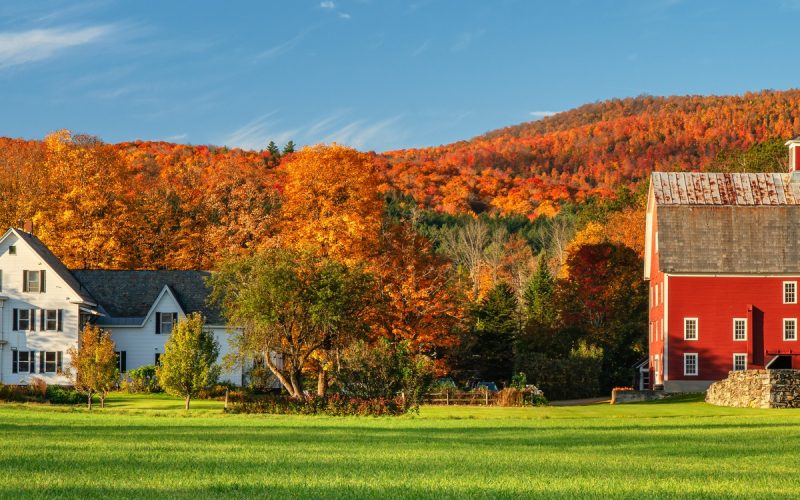
Turning a piece of vacant land into a homestead is a great way to build a more independent lifestyle. But before putting up a house, planting a garden, or adding a workshop, there are some basics that need to be sorted out.
The essential steps for turning vacant land into a homestead mostly come down to understanding the property and making smart decisions in the right order. Taking your time early on can save a lot of money and extra work later.
Get To Know the Property
Spend some time walking the land before deciding where everything should go. Look at the terrain, trees, drainage, sunlight, road access, and any low spots where water might collect.
It also helps to see the property during different weather conditions if possible. A spot that looks perfect during a dry summer can look very different after several days of rain or during spring snowmelt.
Make sure you understand the property boundaries as well. A professional survey prevents problems when it’s time to install a driveway, put up fencing, or start construction.
Check Local Rules
Vacant land still comes with rules about how it can be used. Zoning and building regulations may affect where you can build, what types of structures are allowed, and whether you can keep livestock.
Check local requirements for wells, septic systems, driveways, setbacks, and permits before spending money on any improvements. Rules can vary considerably between counties and municipalities, even within the same state.
It’s also important to look into easements, deed restrictions, and legal access. Knowing these details early makes it easier to create a realistic plan for the property.
Plan Your Access
Good road access matters from the beginning. Even if you don’t plan to build immediately, you’ll need a reliable way to get vehicles, equipment, supplies, and eventually contractors onto the property.
Think about how a driveway will hold up through rain, mud, snow, and freezing temperatures. Proper grading and drainage can be more important than simply choosing the shortest path from the road to the main area.
Access is also worth considering while you’re still searching for property. Buying land through online platforms is beneficial when comparing available parcels, locations, and property details before deciding which land makes sense for a future homestead.
Work Out Your Water Supply
Reliable water should be near the top of the planning list. Depending on the property, that could mean drilling a private well, connecting to a public system, hauling water, or using another method permitted in your area.
If you’re considering a well, research local groundwater conditions and typical well depths. A qualified local well contractor can give you a better idea of what installation may involve.
Wastewater needs a plan, too. If there isn’t access to a public sewer system, you’ll likely need to investigate septic options and whether the soil and site are suitable for that.
Decide How You’ll Get Power
Some rural properties have electrical service close by, while others may require a costly extension from the nearest utility line. Contacting the local utility company early can give you a clearer picture of what grid power would cost.
Solar panels, batteries, generators, propane, or a combination of systems may also make sense for more remote properties. The best setup depends on your location, budget, and how much electricity you expect to use.
Think about heating and cooking at the same time. Planning these systems together can make it easier to estimate costs and avoid unnecessary changes later.
Build the Basics First
It’s easy to focus on the house because that’s usually the most exciting part of a homestead plan. In practice, basic infrastructure often needs attention first.
A usable driveway, drainage, water, wastewater, and power can all affect where and how you build. Getting those decisions right makes the construction stage much easier.
Try to think about future projects while laying things out. Leaving enough space for a shop, greenhouse, barn, equipment storage, or expanded garden can prevent the property from feeling crowded later.
Start Food Production at a Manageable Scale
If growing food is part of the plan, there’s no need to build a huge garden immediately. Starting small gives you a chance to learn about the soil, sunlight, drainage, pests, and growing season.
A soil test can identify what the ground needs before you start adding amendments. Over time, compost, mulch, cover crops, and other soil-building methods can improve many growing areas.
Livestock requires its own planning. Fencing, shelter, water, feed storage, waste management, and winter conditions should all be considered before bringing animals onto the property.
Choose Shelter Based on Your Timeline
A permanent house doesn’t always have to be the first structure built. Depending on local rules and your budget, it may make more sense to develop the property in stages.
Temporary or smaller living arrangements still need to be safe and suitable for the climate. Heating, ventilation, moisture control, sanitation, and weather protection all need proper attention.
When planning permanent housing, look at how the building fits the property. Sun exposure, shade, wind, drainage, and orientation can all affect comfort and long-term energy costs.
Leave Room in the Budget
Land projects often cost more than the first estimate would suggest. Well depth, excavation, driveway materials, utility connections, equipment, and permit costs can all change as work progresses.
Keep part of the budget available for unexpected expenses rather than committing every dollar upfront. That extra room keeps the project moving when something costs more than planned.
It also helps to separate needs from wants. Water, access, sanitation, and safe shelter should generally come before aesthetic upgrades or larger hobby projects.
Take It One Stage at a Time
Following the essential steps for turning vacant land into a homestead doesn’t mean everything needs to happen during the first year. In many cases, developing the property gradually is the more practical approach.
Start with the systems that make the land safe, accessible, and usable. Once those basics are working well, you can add gardens, workshops, livestock areas, storage, and other improvements as your needs become clearer.
A good homestead develops around the land and the people living on it. Careful planning at the beginning gives you more freedom to build something that works well for years to come.