
A vehicle is one of the biggest purchases many people make, so it makes sense to keep it looking as good as it runs. Between blazing summer sun, winter road salt, heavy rain, environmental contaminants, and everything in between, your car’s exterior sees a lot every single day.
Fortunately, protecting the paint doesn’t require expensive equipment or hours of work every weekend. A few consistent habits can go a long way toward preventing damage, preserving your vehicle’s appearance, and helping it maintain its value over the years.
Start With Regular Washing
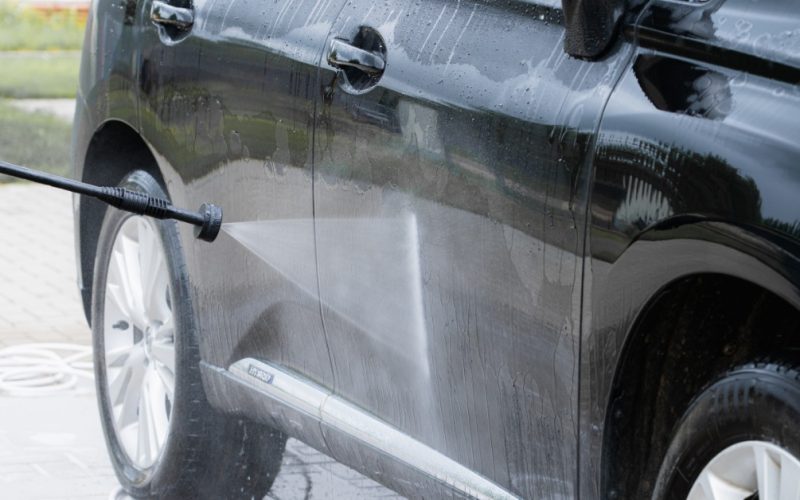
One of the best ways to protect your car’s exterior from the elements is surprisingly simple: wash it regularly. Dirt, pollen, road grime, and other contaminants don’t just make your vehicle look dirty; they slowly wear away at the clear coat protecting the paint.
Many of these contaminants trap moisture against the surface, creating conditions that can lead to oxidation or corrosion over time. The longer they sit, the harder they become to remove without damaging the finish.
Aim to wash your vehicle every couple of weeks, or more often if you drive through construction zones, snowy roads, or coastal areas. A quick wash today is much easier than correcting years of neglected paint later.
Use Products Designed for Automotive Paint
Not every soap belongs on your vehicle. Household cleaners may cut through grease, but they can also strip away protective waxes and leave the paint more vulnerable.
Instead, choose a pH-balanced automotive shampoo that’s specifically designed for vehicle finishes. These products remove dirt without compromising the protective layers already on your car’s paint.
Using quality microfiber wash mitts and drying towels also helps reduce the tiny scratches that can accumulate over time. Those little swirl marks may seem harmless at first, but enough of them can dull the car’s finish considerably.
Dry Your Vehicle Properly
Letting your vehicle air dry might save a few minutes, but it often leaves behind water spots filled with minerals. Those spots can become stubborn stains if they’re allowed to bake in the sun.
A clean microfiber drying towel absorbs water without scratching the paint. It’s a small step that leaves your vehicle looking noticeably cleaner after every wash.
Give the Paint Extra Protection
Even the cleanest vehicle benefits from an additional layer of protection. Wax creates a sacrificial barrier that shields the paint from moisture, UV rays, and light contaminants while making future car washes easier.
Modern paint protection has also evolved well beyond traditional wax options. Many vehicle owners now choose ceramic or hydrophobic coatings because they repel water, reduce dirt buildup, and make routine vehicle maintenance less demanding.
Understanding the science behind hydrophobic coatings and how they interact with a vehicle’s surface helps explain why water beads instead of spreading across the paint, making contamination easier to rinse away. Ultimately, this protective layer reduces surface adhesion while helping preserve a cleaner finish.
Don’t Let the Sun Win
Sunlight may not seem dangerous, but ultraviolet rays slowly break down automotive paint and the clear coat. After enough exposure, paint colors begin to fade and vehicle surfaces lose their shine.
Whenever possible, park your car inside a garage or beneath covered parking. If that’s not an option, even choosing a shaded parking spot during the hottest part of the day can make a noticeable difference over time.
A quality car cover offers another layer of defense for vehicles that spend extended periods outdoors. It also keeps dust, pollen, and falling debris from collecting on the car’s paint.
Remove Environmental Contaminants and Debris Quickly
Environmental contaminants like bird droppings aren’t just unpleasant to look at—they’re surprisingly acidic. When left sitting in direct sunlight, they can permanently etch into a car’s clear coat within a relatively short period.
Tree sap and bug splatter create similar problems because they harden as they bake in the sun. This means waiting until your next car wash may turn a simple cleanup into a difficult restoration project.
Keeping a microfiber towel and a bottle of quick detailer in your vehicle’s trunk makes it easy to remove fresh contaminants before they become permanent damage.
Protect Your Vehicle Through Every Season
Different seasons bring different threats to your vehicle’s exterior. Winter introduces road salt, while spring covers everything in pollen and tree sap.
Summer exposes paint to intense UV rays, and fall often means leaves, moisture, and debris collecting in areas that retain water. Adapting your maintenance routine throughout the year keeps your vehicle better protected no matter the weather.
If you live in an area where roads are salted during the winter, be sure to rinse the undercarriage regularly. Road salt doesn’t just affect the body panels; it accelerates rust underneath the vehicle as well.
Pay Attention to the Small Details
Paint isn’t the only part of your vehicle exposed to the elements. Plastic trim, rubber weather seals, headlights, and exterior moldings can all degrade when left unprotected.
Applying products specifically formulated for these materials helps reduce fading and cracking. Well-maintained trim also makes the entire vehicle appear newer, even if it’s been on the road for years.
Keeping your car’s windows clean is another overlooked habit. Clear glass improves visibility while preventing stubborn mineral deposits from becoming permanent.
Remember That Prevention Is Easier Than Repair
Correcting paint, repairing rust, and repainting sections of a vehicle can become expensive quickly. Most of those costs are preventable with regular maintenance that takes only a small amount of time each month.
You don’t need to achieve perfection every weekend; consistency matters far more than spending an entire Saturday detailing your vehicle once a year. Small habits like washing regularly, parking strategically, removing contaminants quickly, and maintaining protective coatings all work together to keep your vehicle looking its best.
In the long run, the best ways to protect your car’s exterior from the elements aren’t complicated—they’re simply the routines that become part of normal vehicle ownership. A little attention today can keep your car looking newer, holding its value longer, and staying ready for wherever the road leads next.