
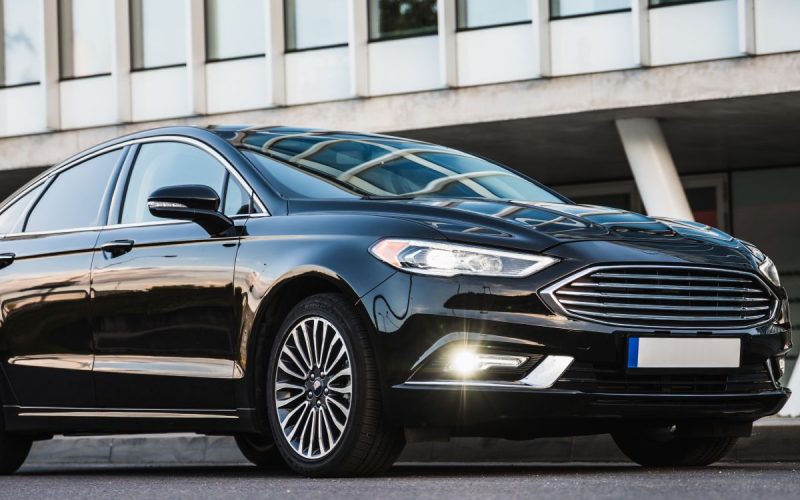
Remember when your dad’s old pickup truck needed a gas station visit every other day? Those days are long gone, my friend.
What makes modern cars more efficient isn’t just one magical breakthrough; it’s a cocktail of clever engineering, smart materials, and technology that would make a 1980s mechanic’s head spin.
But how exactly did we get here? Let’s pop the hood and take a look at the game-changing innovations that transformed your daily commute.
Weight Loss That Actually Works
Car manufacturers have put their vehicles on the ultimate diet plan, and unlike your New Year’s resolution, this one actually works. High-strength steel, aluminum, and even carbon fiber are replacing heavier materials in key areas.
Your modern car might weigh 200 to 400 pounds less than its equivalent from two decades ago. This weight reduction creates a domino effect.
Lighter cars need less energy to accelerate, brake, and climb hills. The suspension doesn’t work as hard, the tires last longer, and the engine doesn’t have to strain against as much mass.
Aerodynamics Goes From Afterthought to Art Form
Every curve, angle, and surface has been wind-tunnel tested and computer-modeled to reduce drag for modern cars. Those sleek profiles are functional sculptures designed to cheat the wind.
Active aerodynamics takes this even further. Some cars now have grille shutters that close at highway speeds, adjustable spoilers that deploy when needed, and underbody panels that smooth airflow beneath the vehicle.
Engine Technology Gets a Brain Upgrade
Modern engines are basically the Einstein of the automotive world compared to their predecessors. Direct fuel injection systems have replaced the old-school carburetor setup, shooting fuel directly into the combustion chamber with laser precision.
This means every drop of gas gets used more effectively instead of being wasted in the intake manifold. Turbocharging has also become mainstream, and understanding the mechanics of a rear-mounted turbo or front-mounted system shows how forced induction squeezes more power from smaller engines without the fuel penalty.
Transmission Evolution Hits Different
Gone are the days of clunky 4-speed automatics that couldn’t find the right gear if their life depended on it. Modern transmissions pack 8, 9, or even 10 speeds, keeping the engine in its sweet spot more often.
These advanced transmissions work with sophisticated computer systems that learn your driving patterns and predict what gear you’ll need next. It’s like having a psychic co-pilot who knows exactly when you’re about to hit that hill or merge onto the freeway.
What makes modern cars more efficient ultimately comes down to thousands of small improvements working together like a well-orchestrated symphony. Every component, from the tires to the engine management system, has been optimized for the modern driver who wants performance without the guilt of frequent refueling.
The next time you’re cruising past a gas station instead of pulling in, you can thank the engineers who turned fuel efficiency from an afterthought into an art form.