
Tires are easy to ignore because they spend their entire lives underneath the car, quietly doing the dirty work. Then one starts losing air, shaking the steering wheel, or making a suspicious noise, and suddenly tires become the most interesting thing in your life.
There are many aspects of tire maintenance that drivers cannot overlook. Routine tire care can improve handling, help tires wear more evenly, and reduce the chance that a minor issue turns into an expensive roadside headache. These maintenance tips cover the key areas every driver should keep on their radar.
1. Check Tire Pressure Regularly
Tire pressure affects how much of the tire contacts the road and how the vehicle responds during braking, cornering, and acceleration. Tires with too little or too much air can also wear unevenly.
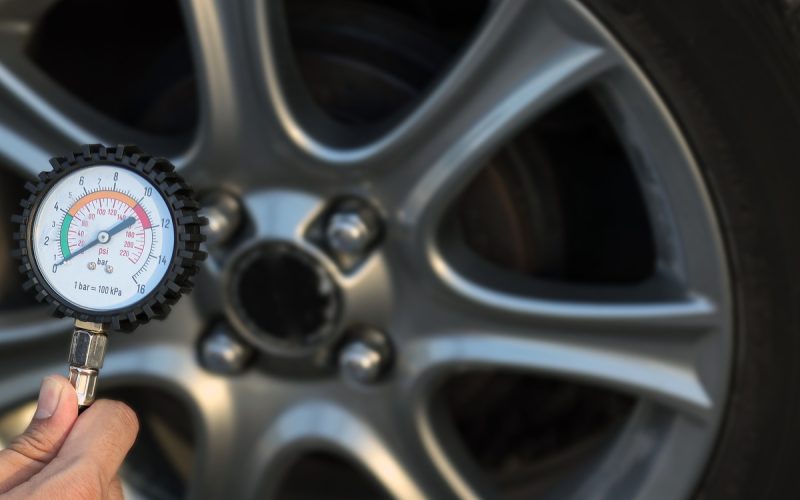
Use a reliable tire pressure gauge and compare the reading with the vehicle manufacturer’s recommended pressure. Look for that number on the driver’s-side door placard or in the owner’s manual rather than relying on the maximum pressure printed on the tire itself.
Check Pressure When Tires Are Cold
Driving heats the tires and increases the air pressure inside them, which can change the reading. Checking before a long drive gives you a more useful baseline.
Temperature changes can also move tire pressure up or down. If the weather suddenly decides to impersonate a freezer or an oven, give the tires a quick check.
2. Keep an Eye on Tread Depth
Tire tread funnels water away from the tire’s contact patch and helps the rubber maintain traction. As it wears down, the tire has less ability to deal with wet roads and other challenging surfaces.
Inspect several areas around each tire rather than looking at one convenient spot. Uneven wear can hide on an inside edge where you will not notice it while casually admiring your vehicle in the driveway.
3. Rotate the Tires
Your front and rear tires do not necessarily carry the same loads or deal with the same steering and braking forces. That difference can cause certain tires to wear faster than others.
Regular rotation moves the tires to different positions so they can wear more evenly. Follow the rotation pattern and interval recommended for your vehicle and tire setup, especially if you drive an all-wheel-drive vehicle.
4. Inspect Tire Valves and Caps
One aspect of tire maintenance that drivers cannot overlook is the valve and cap of their tires. A cracked, damaged, loose, or leaking valve can cause frequent pressure loss even when the tire itself has no puncture.
Rubber valves can deteriorate with age and exposure, while some modern vehicles use valve assemblies connected to tire pressure monitoring system sensors. How often you should replace your tire valves depends on damage to the component, service life, and more.
Do Not Forget the Valve Cap
That tiny plastic or metal cap is not decorative jewelry for your wheel. It helps protect the valve core from dirt, moisture, and road debris.
Replace a cap if it goes missing or becomes damaged. It is one of the cheapest pieces on your car, which is refreshing when nearly everything else seems determined to raid your checking account.
5. Watch for Wheel Alignment Problems
A vehicle with proper wheel alignment should track predictably and allow the tires to meet the road at the intended angles. Poor alignment can contribute to uneven tire wear and make the vehicle pull or drift.
Pay attention if the steering wheel sits off-center while driving straight or if one edge of a tire wears much faster than the other. Hitting a serious pothole or curb can also justify an alignment inspection.
6. Balance the Wheels
Wheel balancing distributes weight evenly around the rotating tire and wheel assembly. When that balance is off, you may feel vibration through the steering wheel, seat, or floor as speed increases.
A missing wheel weight or a change to the tire and wheel assembly can create imbalance. Inspect persistent vibrations instead of assuming your car has developed its own massage feature.
Take New Vibrations Seriously
Not every vibration comes from wheel balance, which makes diagnosis important. Tire damage, bent wheels, suspension wear, and other mechanical problems can create similar symptoms.
Notice when the vibration happens and where you feel it most. That information can help a technician narrow down the cause.
7. Inspect for Physical Damage
Walk around the vehicle periodically and look at each tire’s sidewall and tread. Cuts, bulges, exposed material, embedded objects, or unusual deformation deserve attention.
A nail does not always produce an instant flat. Sometimes it creates a slow leak that gives you just enough time to convince yourself the pressure warning is probably nothing.
8. Pay Attention to Tire Age
A tire can have plenty of tread and still experience changes as the rubber ages. Heat, sunlight, storage conditions, driving habits, and environmental exposure all influence its condition.
Check the tire’s date code and follow guidance from the tire and vehicle manufacturers regarding inspection and replacement. Age matters especially on vehicles that cover relatively few miles, such as weekend cars, trailers, or spare vehicles.
Remember the Spare
If your vehicle carries a spare tire, include it in your maintenance routine. A spare with no air is technically still a spare, but only in the philosophical sense.
Check its pressure and condition before a road trip. You want the spare ready before you need it on the shoulder of an interstate.
9. Match Tires to the Vehicle and Driving Conditions
Tires differ in size, load capacity, speed rating, construction, and application. Installing the correct type helps the vehicle perform as its manufacturer intended.
Your driving environment matters as well. A commuter dealing with heavy rain has different demands than a pickup regularly traveling on rough jobsite roads.
Keep Replacement Tires Compatible
Mixing significantly different tire types, tread designs, or wear levels can affect vehicle behavior. This issue deserves extra attention on vehicles with all-wheel-drive systems.
Before replacing only one or two tires, check the manufacturer’s recommendations. The cheapest immediate fix is not always the smartest long-term move.
10. Make Tire Checks Part of Your Routine
The most effective maintenance habit is simply paying attention before something goes wrong. A quick walkaround can reveal low pressure, visible damage, missing valve caps, or unusual wear without requiring a toolbox worthy of a professional race team.
Tie your inspections to something you already do, such as washing the car or preparing for a long drive. These tire maintenance tips become much easier to follow once they turn into normal habits rather than emergency chores.
Give Your Tires a Little Credit
Four relatively small patches of rubber connect your vehicle to the road. They deal with acceleration, braking, potholes, rain, highway speeds, and the occasional parking job you would rather nobody witnessed.
A little maintenance helps those four tires do their job without unnecessary drama. Check them regularly, investigate changes, and address small problems before they get the chance to become big ones.