
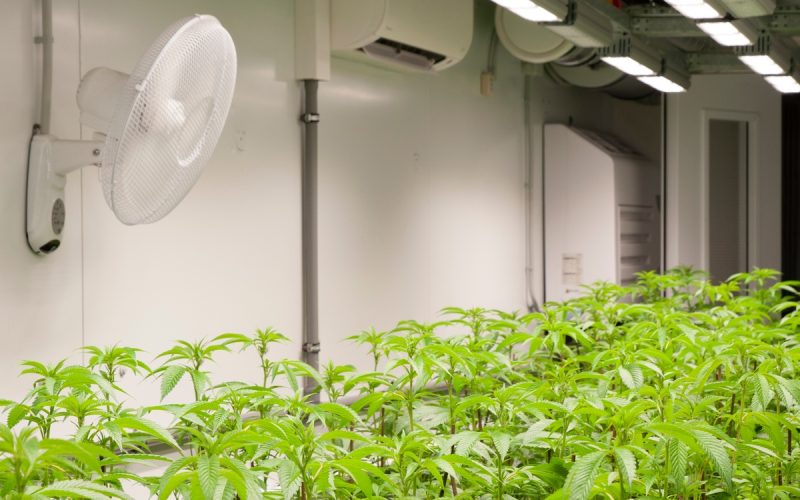
Indoor cultivation gives growers full control over their environment, but that control only works if you maintain the right conditions. One of the most important factors is heat.
Temperature affects how plants absorb water, process nutrients, and develop strong structures. Even small fluctuations can create stress that slows growth or leads to disease.
Understanding why you need to monitor the temperature in your grow room helps ensure plants remain healthy, productive, and resilient throughout their entire life cycle. Careful temperature management also allows growers to maintain steady growth conditions and prevent avoidable plant stress.
How Temperature Affects Plant Growth
Temperature directly influences how plants perform basic biological processes. When the environment is within an optimal range, plants photosynthesize efficiently and convert energy into steady growth.
If the temperature rises too high, plants lose moisture faster than they can replace it, which can cause wilting and slowed development. If the temperature drops too low, metabolic activity slows down and nutrient uptake becomes less efficient.
Maintaining stable temperatures allows plants to grow consistently without unnecessary stress that could reduce overall yield. Consistent heat levels also support steady nutrient absorption and stronger plant development over time.
Preventing Plant Stress and Damage
Heat stress is one of the most common problems in indoor grow rooms. Excess heat can cause leaves to curl, dry out, or develop discoloration.
Prolonged exposure to high temperatures may even stunt growth permanently. On the other hand, cold environments can weaken plants and make them more vulnerable to disease.
Monitoring temperature allows growers to respond quickly before minor issues turn into major setbacks. By keeping conditions steady, plants remain strong and better equipped to handle natural growth cycles.
Supporting Proper Humidity Balance
Temperature and humidity work closely together in a grow room. When temperatures rise, humidity levels often drop, which can cause plants to lose moisture rapidly through transpiration.
When temperatures fall, humidity may climb and create conditions that encourage mold or mildew. Keeping a close eye on temperature helps growers maintain a balanced environment where humidity stays within a healthy range.
This balance supports proper leaf function, nutrient movement, and overall plant vitality. Stable environmental conditions also help plants regulate water loss and maintain healthy cellular activity.
Avoiding Common Setup Problems
Environmental mistakes often begin during the initial setup of a grow space. Poor airflow, inadequate ventilation, or lights placed too close to plants can cause temperatures to spike quickly.
These problems are among the most common mistakes to avoid when setting up your grow room because they can undermine even the best growing plans. Installing reliable thermometers and monitoring equipment allows growers to identify issues early and adjust fans, lighting, or ventilation before conditions harm their plants.
Improving Consistency and Yield
Successful growers know that consistency is just as important as nutrients or lighting. Plants thrive when their environment remains stable day after day.
Regular temperature monitoring allows growers to make small adjustments that keep conditions ideal throughout each stage of growth. This consistency promotes stronger root systems, healthier foliage, and more predictable harvests.
Maintaining stable conditions reinforces why you need to monitor the temperature in your grow room if you want plants to reach their full potential. Consistent monitoring helps you catch changes quickly and keep the environment stable throughout every stage of growth.