
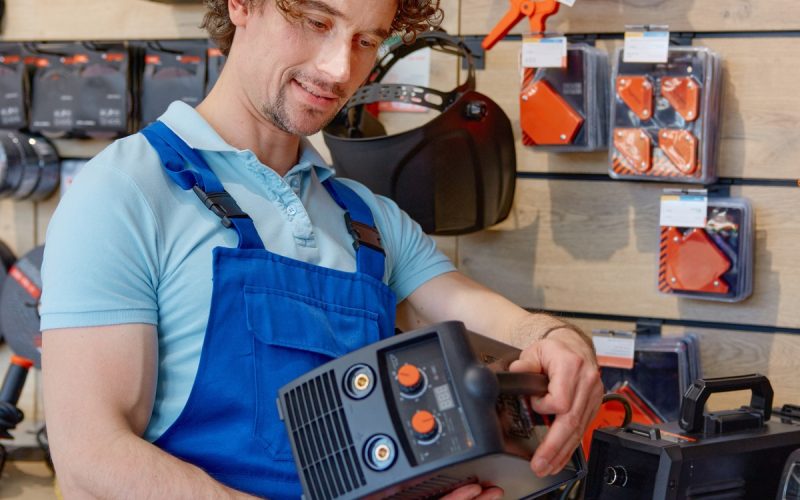
Buying new equipment can look like progress right up until you see the price tag. Ask yourself: do you really need it, or are you trying to solve a problem that has a cheaper fix?
Knowing when new equipment is worth the investment comes down to what your current setup costs you and what a replacement could realistically improve. Instead of treating a purchase as an automatic upgrade, you can judge whether it solves a problem that matters to your work.
Your Current Equipment Keeps Holding You Back
Older equipment doesn’t become a bad investment simply because it has a few years of use behind it. If it still handles your workload reliably, replacing it just to own something newer may not accomplish much.
The situation changes when you regularly adjust your work around what the equipment can’t do. If you’re turning down certain jobs or spending too much time compensating for those limitations, the equipment may no longer fit your business needs
Watch What You Work Around
You can get used to small inconveniences surprisingly quickly. That temperamental machine you have to coax through another workday might seem normal after a while, but those workarounds still consume time.
Pay attention to the adjustments you make during an ordinary week. When those adjustments repeatedly interfere with your work, new equipment deserves a closer look.
Repairs No Longer Solve the Real Problem
A repair can make excellent financial sense when it restores a useful machine for a reasonable cost. You don’t need to retire dependable equipment just because something wears out.
Frequent repairs tell a different story when they no longer keep the equipment running reliably for long. You may spend less on each repair than you would on replacement equipment, yet repeated interruptions can make the supposedly cheaper option increasingly difficult to justify.
Don’t judge that situation by repair bills alone. Consider the work you lose while the machine sits idle, because downtime can make a modest repair much more disruptive than its invoice suggests.
Your Work Has Changed Since the Original Purchase
Sometimes your equipment works perfectly well but no longer matches what you ask it to do. Maybe your workload has grown, your jobs have become more demanding, or you now operate in conditions you rarely encountered when you bought the machine.
That distinction matters because replacing worn equipment and correcting a poor equipment match aren’t the same decision. When your needs change, you should evaluate a potential purchase around the work you perform today.
Consider the operating conditions and maintenance requirements that come with the equipment you’re evaluating. A machine that suits your typical workload and working environment gives you a stronger reason to invest than one that simply offers more power or features than your current setup.
Productivity Gains Need a Real Purpose
“More productive” sounds great in a sales pitch, but you need to define what that improvement would mean for you. Faster equipment has limited value when another part of your workflow already limits how quickly you can finish the job.
Think about where your work regularly slows down. If your current equipment causes the delay, a more capable replacement may help you complete work with fewer interruptions and make better use of your working hours.
You don’t need to chase the newest technology to make progress. You need equipment that addresses a limitation you can clearly identify.
Look Beyond the Purchase Price
A low purchase price can grab your attention, but your expenses don’t end when the payment clears. You’ll still need to operate the equipment and keep it ready for work.
As you compare your options, consider a few practical ownership factors such as:
- What routine maintenance will demand from you
- Whether replacement parts are reasonably accessible
- Whether the equipment works with what you already own
- The time that servicing or setup could take
Reliability Can Matter More Than Extra Features
New equipment often comes with capabilities your current setup lacks, but more features don’t automatically create more value. If you won’t use them regularly, you may simply pay extra for capabilities that don’t improve the work you do.
Reliability deserves more attention when equipment plays an important role in your daily work. You need equipment you can count on without wondering whether another unexpected repair will interrupt the workday.
That doesn’t mean new equipment will never require maintenance. Instead, ask whether a replacement gives you a better match for your workload and makes upkeep easier to manage.
Consider What Else the Money Could Do
Every major purchase competes with another use for your money. New equipment may improve one part of your operation while leaving less cash available for another priority.
Ask what happens if you keep your current setup a little longer. If waiting doesn’t seriously affect your work, saving the money may make more sense than buying simply because an upgrade looks appealing.
Waiting too long can create a different problem. When unreliable or undersized equipment regularly interferes with worthwhile opportunities, holding onto your cash can carry its own cost.
Separate Need From Want
There’s nothing wrong with wanting better equipment. New machines can make work more enjoyable, and there’s nothing unusual about wanting an upgrade simply because it looks better than what you have.
You’ll make a stronger decision when you can explain what the purchase changes beyond the excitement of owning it. If the answer centers on a recurring problem rather than the novelty of something new, you have a more practical reason to move forward.
Give the Purchase a Job to Do
So, when is new equipment worth the investment? The answer becomes clearer when you can connect the purchase to a specific limitation that matters enough to address.
Decide what you need the equipment to improve, then weigh that benefit against the cost and demands of ownership. If a purchase solves an ongoing problem and fits the work you plan to keep doing, you have a much stronger reason to consider it.
You don’t need perfect timing or a dramatic equipment failure to make a smart upgrade. Pay attention to what repeatedly gets in the way of better work, because those problems can tell you more than the age of the machine alone.