
Renovating a home often involves balancing an ambitious vision with the reality of a limited budget. Even a relatively straightforward project can become expensive once labor, materials, fixtures, appliances, permits, and unexpected repairs enter the equation. Trying to choose the cheapest option for everything may keep initial costs down, but it can also create problems that require additional work later.
Knowing where to spend and where to save during a home renovation can help homeowners direct their budgets toward improvements that contribute to durability, functionality, comfort, and long-term satisfaction.
Spend on Structural and Behind-the-Walls Improvements
Some of the least exciting renovation expenses are among the most important. Electrical systems, plumbing, roofing, foundations, insulation, waterproofing, and structural framing may not produce dramatic before-and-after photos, but they affect how well a home functions for years.
When walls and floors are already open, addressing problems with these systems can be particularly worthwhile. Ignoring aging plumbing or questionable wiring because it is not visible could mean tearing into newly finished surfaces later.
Waterproofing deserves similar consideration in kitchens, bathrooms, basements, and other moisture-prone areas. A beautiful tile installation will provide little satisfaction if inadequate preparation allows moisture to damage the structure underneath it.
Save on Certain Decorative Finishes
Decorative elements provide some of the easiest opportunities to control renovation costs because many can be changed without major construction. Wall colors, cabinet hardware, mirrors, decorative accessories, and similar details do not necessarily need to command a large percentage of the budget.
Paint is a particularly useful example. An expensive specialty wall treatment might look impressive, but a carefully selected paint color can completely transform a room for considerably less money.
Hardware can work the same way. Attractive handles and knobs are available across a broad range of price points, and homeowners can often achieve the desired aesthetic without selecting the most expensive options available. These relatively easy-to-replace features also allow a home’s appearance to evolve over time.
Spend on High-Traffic Flooring
Flooring experiences constant wear, making durability an important consideration in frequently used areas. Entryways, kitchens, hallways, family rooms, and other busy spaces may benefit from materials designed to withstand regular foot traffic, spills, pets, furniture, and cleaning.
The most expensive flooring is not automatically the best choice. Instead, homeowners should consider how the material performs under the specific conditions of the household. Paying more for appropriate durability may reduce the likelihood of premature replacement.
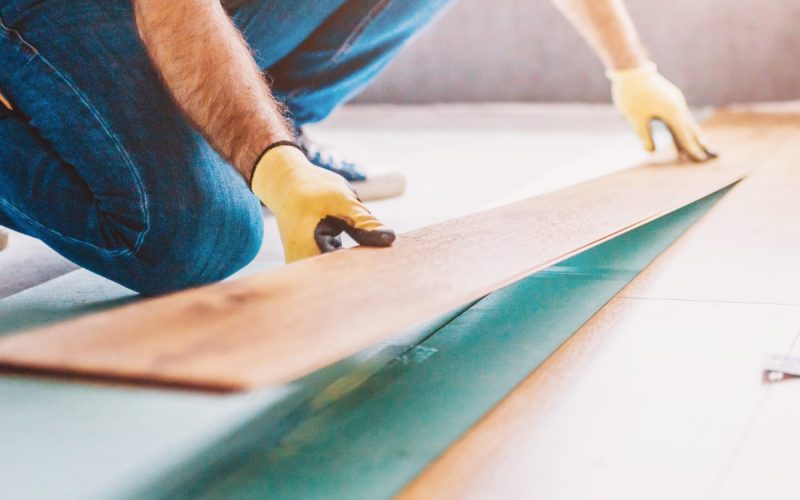
Installation quality matters as well. Even excellent flooring can develop problems when the subfloor is inadequately prepared or the material is installed incorrectly. Allocating enough money for proper preparation and professional installation can protect the investment made in the flooring itself.
Save on Trend-Driven Features
Design trends can provide inspiration, but they can also encourage homeowners to spend heavily on features they may tire of relatively quickly. Highly distinctive colors, patterns, fixtures, and finishes can dominate a room and become difficult or expensive to replace.
One strategy is to keep permanent elements relatively versatile while incorporating trends through easier-to-change details. Instead of committing substantial money to an unusual permanent finish, homeowners might introduce a current style through paint, lighting, textiles, artwork, or accessories.
This does not mean every renovation needs to be neutral. Personality can still play an important role in design. The goal is simply to consider how difficult and expensive a feature will be to change before dedicating a significant portion of the budget to it.
Spend on the Features You Use Every Day
Renovation budgets should reflect how a household actually uses its home. Features that receive constant use can justify greater investment than elements that are primarily decorative.
Kitchen cabinets, for example, are opened and closed repeatedly and must support significant weight. Durable construction and dependable hardware can therefore be more valuable than expensive ornamental details. Faucets, showers, doors, countertops, and frequently used appliances deserve similar consideration.
Bathrooms are another area where functionality and appearance need to work together. Homeowners planning an upscale space can consider high-end bathroom design tips when deciding how layout, storage, lighting, fixtures, and materials should contribute to the room. Rather than spending indiscriminately, the goal is to invest in features that meaningfully improve the experience of using the space.
Save by Working With What You Already Have
Not every renovation needs to begin with demolition. Keeping existing features that remain functional and compatible with the new design can substantially reduce costs.
Kitchen and bathroom layouts are good examples. Moving sinks, toilets, showers, and major appliances can require extensive plumbing or electrical work. If the current arrangement already functions well, maintaining those locations may leave more money available for cabinetry, countertops, lighting, or other improvements.
Existing cabinetry may also have more potential than homeowners initially realize. Structurally sound cabinets can sometimes be refinished, repainted, refaced, or updated with new hardware rather than completely replaced.
Before removing something simply because it is old, consider whether it can be incorporated into the renovated space. Selective reuse can preserve character while reducing both material and labor expenses.
Spend on Skilled Labor Where It Matters
DIY work can reduce renovation costs, but some projects leave little room for error. Electrical work, plumbing, structural modifications, complex tile installations, waterproofing, and certain finish applications may require specialized knowledge.
Poor workmanship can transform an attempt to save money into a costly repair. Problems hidden behind walls or underneath finished surfaces can be especially disruptive because correcting them may require removing completed work.
Homeowners do not necessarily need professionals for every task. Painting, simple demolition, hardware installation, and other manageable projects may provide opportunities for hands-on savings. The key is recognizing the boundary between work that is reasonably forgiving and work where mistakes could create safety issues or substantial future expenses.
Create a Budget Around Long-Term Priorities
Every renovation budget involves compromises, but those compromises do not need to diminish the overall result. Instead of dividing money evenly across every feature, homeowners can identify the areas that matter most to their household and allocate funds accordingly.
Durability, skilled workmanship, structural integrity, storage, and heavily used features frequently deserve more attention because they influence daily life and can be difficult to change later. Decorative details, trend-driven features, and easily replaceable finishes often provide greater flexibility for savings.
Understanding how to decide where to invest and where to cut costs during a home renovation makes it easier to balance immediate expenses with long-term performance. A thoughtful renovation is not about buying the most expensive version of everything. It is about spending deliberately so that the finished home functions well, holds up to everyday use, and reflects the priorities of the people living there.