
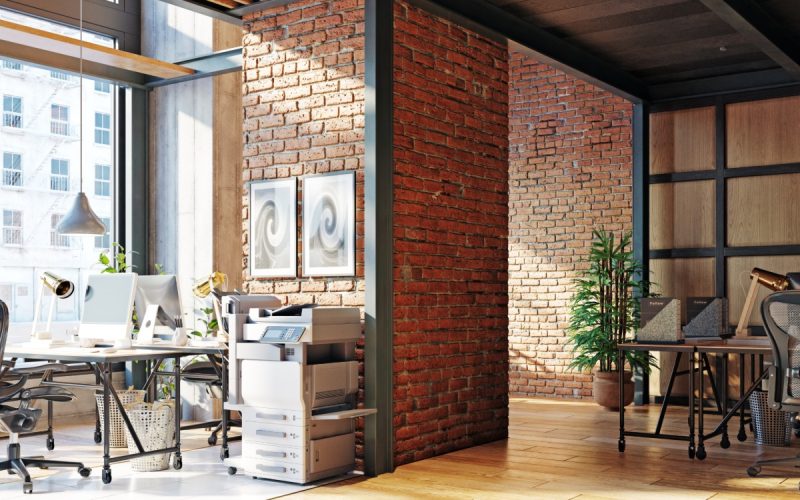
Your office says quite a bit about how you work before you answer an email or open a spreadsheet. If paperwork has swallowed the desk and a nest of cables has claimed the floor, the room probably isn’t giving off “I have this handled” energy.
Fortunately, plenty of ways can make your office look more professional without replacing everything you own. A sharper workspace often comes down to fixing the details that make the room look unfinished or harder to use.
Clear Enough Space to Actually Work
A professional office doesn’t need an empty desk. It does need enough open space that sitting down to work doesn’t require moving yesterday’s coffee mug and a collection of objects you forgot existed.
Keep whatever you use throughout the day within easy reach. Move papers or extra electronics into drawers or another storage area until you need them.
Cables also deserve some attention, especially around computers and monitors. Route loose cords behind the desk or secure them underneath it so they don’t become one of the first things you notice when you enter the room.
You don’t need to hide every sign of work. A notebook beside your keyboard looks normal; twelve mystery chargers forming their own ecosystem does not.
Fix the Lighting Situation
Bad lighting can make a decent office look depressing. One harsh overhead fixture can flatten the room, while too little light can make working there feel like you’ve set up headquarters in a basement.
Look at how the room feels from your desk, especially around your monitor and main work surface. Getting workplace lighting right involves more than brightening the room, since glare and uneven illumination can make an otherwise good setup less comfortable to use.
If you have windows, notice where daylight lands during the hours you usually work. A small change to the desk position or window covering may keep glare off your screen without sacrificing the natural light you enjoy.
A desk lamp can give you more control when the overhead fixture doesn’t cover your work area well. Choose one that suits the room instead of recruiting whatever lamp currently lives in the guest bedroom.
Lighting fixtures also contribute to an office’s overall appearance. Swapping an obviously dated lamp for something cleaner can freshen the room without turning the upgrade into a full decorating project.
Stop Trying to Match Everything
You don’t need a matching desk, chair, bookcase, and filing cabinet. In fact, buying an entire office set can make the room look more like a furniture display than a place where someone spends a normal workday.
Instead, look for a little consistency among the pieces you already own. Similar wood tones or repeated hardware finishes can create enough visual connection without making every item identical.
This also gives you more freedom when you replace something. You can choose a piece that works with the room instead of hunting for an exact match to a desk you bought six years ago.
Skip the urge to chase every office trend you see online. Your workspace needs to survive Monday morning, not audition for an interior design account.
Give the Walls Some Personality
Blank walls can leave an otherwise finished office looking temporary. You don’t need to solve that problem with a giant framed quote reminding you to grind harder before breakfast.
Choose artwork or photography you enjoy seeing. Personal interests can absolutely show up in a professional workspace when the room doesn’t look overwhelmed by them.
If you display professional credentials, give them a proper frame rather than pinning them wherever you find an empty spot. Leave enough open wall around your decor so each piece has some visual space.
The result should tell people something about you without requiring them to tour a museum dedicated to your hobbies.
Check What Everyone Sees on Video Calls
Video meetings have made your background part of your office presentation, even if you never planned for anyone to see that side of the room. Turn on your camera from your usual seat and see what appears behind you.
Maybe there’s a laundry basket lurking in the corner or a tower of shipping boxes you’ve been meaning to flatten for weeks. Move obvious distractions out of frame instead of trying to camouflage them with more decor.
A tidy shelf or one interesting piece on the wall can give the background enough character. You don’t need a carefully staged bookcase full of books that mysteriously have never developed a cracked spine.
Check your camera height while you’re there. Moving a laptop or webcam closer to eye level can improve the angle without requiring much space.
Retire the Temporary Solutions
Most offices contain at least one item that arrived as a temporary fix and quietly earned permanent residency. Maybe a cardboard box holds printer supplies, or a folding table has supported your equipment since your last move.
Look for those makeshift pieces before shopping for decorative upgrades. Replacing something that visibly looks temporary often changes the room more than adding another accessory.
Worn items deserve the same inspection. A frayed desk mat or broken organizer may seem minor on its own, but little signs of neglect become more noticeable once the rest of the room looks put together.
Handle the worst offender first instead of replacing everything at once. Your office doesn’t need a dramatic reveal at the end of the weekend.
Make Storage Match Your Habits
The best storage setup is the one you’ll actually use. If putting away a charging cable requires opening a packed closet and moving two boxes, that cable will probably spend the rest of its natural life on your desk.
Keep frequently used supplies somewhere accessible. Reserve harder-to-reach storage for things you need only occasionally, instead of forcing yourself through an obstacle course every afternoon.
Closed cabinets work well for office supplies that add nothing visually to the room. Open shelves make more sense for books or other items you don’t mind seeing throughout the day.
Leave a little unused space rather than filling every shelf immediately. Your office will accumulate enough new objects without your help.
Give the Room a Doorway Test
Spend enough time in one room, and you’ll eventually stop noticing some of its quirks. Walking out and coming back in can help you see the office with fresher eyes.
Ask yourself:
- What catches my attention for the wrong reason?
- Could I remove something instead of buying something new?
- Does the furniture interfere with how I move or work?
- Would I feel comfortable showing this room on a video call?
You may spot a change that costs nothing. Moving one awkward piece or clearing an overloaded surface can sometimes do more than another round of online shopping.
Make Professional Look Like You
Some of the easiest ways to make your office look more professional work because they remove the parts of the room that feel accidental. You don’t need to strip away every personal object or turn your workspace into a gray corporate box.
Build around the way you work and keep the things that make spending time there more enjoyable. A good office should feel organized enough to support your day without making you afraid to put a coffee mug on the desk.
Once the room feels comfortable and pulled together, you can stop tweaking it. Close the furniture-shopping tabs and enjoy having an office that finally looks like you meant to set it up that way.