
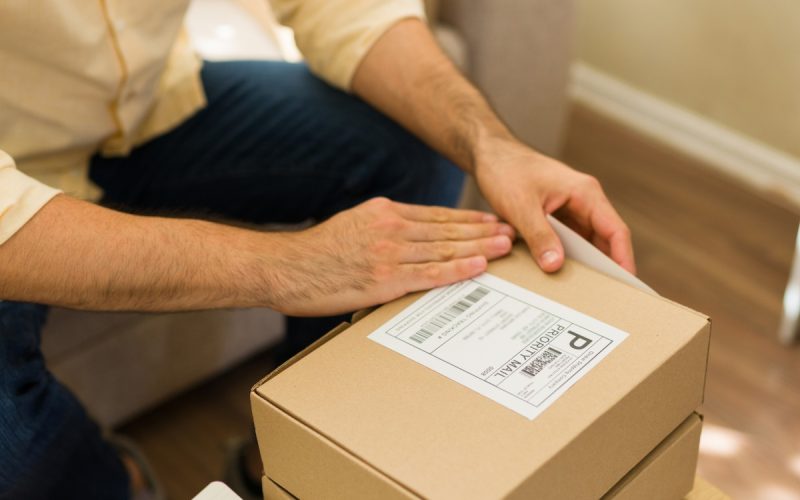
A side hustle feels manageable when everything fits on one shelf, and orders still leave the house without blocking the hallway. Growth changes that fast.
One strong month turns into boxes by the door and a workspace that suddenly feels half its size. If you want to grow a side hustle without outgrowing your space, pay attention to how the business uses each square foot.
More sales do not always require a bigger building! Better systems often buy you time before utilities start eating into the money you worked hard to earn.
Separate Work Space From Storage Space
Many home-based businesses start with one room doing everything. You pack orders there, store inventory there, and occasionally remember that the room once had another purpose.
That setup works until stored products begin crowding the space where actual work happens. Once you spend more time moving boxes than filling orders, the layout has started costing you productivity.
Create a clear boundary between active work and long-term storage! Keep the items you use every day within easy reach, and move slower inventory farther away so it stops interfering with the tasks that bring in revenue.
Track Inventory Before It Takes Over
Side hustles often run out of space because inventory grows without anyone noticing the pattern.
A few extra cases do not feel like much. Then the next order arrives before the previous stock has moved, and suddenly every flat surface has a new job.
Start tracking what sells quickly and what sits! That information helps you avoid buying too much of products that move slowly.
Give Every Item a Reason to Stay
Inventory should earn the space it occupies. If something hasn’t sold for months, decide whether you still need to keep it.
Clearance pricing might move old stock faster. In other cases, smaller future orders make more sense.
The goal is not to keep shelves full. The goal is to keep enough product available without turning your home into a warehouse with a couch in it.
Build a Packing Area That Saves Steps
Order fulfillment gets annoying when tape lives in one room and shipping supplies live somewhere else.
Set up one dedicated packing area. Keep the materials you use most within reach so every order follows the same simple flow.
Think about the path an order takes from storage to the shipping box. If you cross the room six times to finish one package, the setup needs work.
Small changes matter here. A waist-high table saves your back during longer packing sessions. Vertical shelving keeps supplies nearby without stealing floor space.
Your side hustle should make money. It should not turn every shipping night into accidental cardio.
Use Vertical Space Before Adding Square Footage
Most people notice floor space first because clutter spreads across it quickly. However, walls usually offer more opportunity than expected.
Shelving gives you storage without shrinking the work area. Pegboards also work well for tools or supplies you need often.
Keep heavier items lower where you can handle them safely. Use higher shelves for lightweight supplies that do not need daily access.
Before paying for outside space, look closely at the room you already have! You might find several feet of unused storage above your current setup.
Know When Overflow Storage Makes Sense
Eventually, better organization reaches its limit. Strong sales might require more inventory than your home should reasonably hold.
At that point, look at flexible options before signing a long commercial lease. Researching the benefits of portable warehousing for small businesses helps explain why some growing companies use temporary storage when they need more capacity without committing to a permanent building.
That approach works especially well when inventory levels change throughout the year. A seasonal business might need extra room for several months without needing it forever.
Outside storage also gives your home workspace some breathing room. You keep active inventory nearby while moving slower stock out of the way.
Stop Buying Supplies Just Because They Are Cheaper in Bulk
Bulk pricing looks smart until the savings take over half the garage. A lower per-unit price does not help much when you tie up cash in supplies you will not use for another year.
Space has value too, especially when you run a business from home. Before placing a large order, ask how quickly the business will use it.
A useful bulk purchase usually meets a few basic conditions:
- You use the item consistently.
- Demand stays predictable.
- Storage will not disrupt active work.
- The discount matters enough to justify the commitment.
- The purchase will not strain cash flow.
Sometimes paying slightly more for a smaller order gives you more flexibility.
Let Revenue Earn the Next Expansion
Moving into a larger workspace feels like progress. However, it also creates another monthly bill whether sales have a great month or a terrible one.
Wait until the business clearly needs the expense. Look at how much revenue the side hustle produces consistently, not what happened during one strong month.
Then estimate what a larger space will cost beyond rent. Utilities and insurance change the number quickly.
Do Not Upgrade for the Vibe
A cool workshop feels good. A commercial unit with a polished sign feels even better.
Neither one matters if the new overhead wipes out your profit!
Expand because the current space limits sales or slows work enough to hurt the business. Do not expand because the business suddenly looks more legitimate with a loading dock.
Create Rules for What Comes Into the House
Space problems become easier to control when you decide what belongs in the business before something arrives.
Set limits for how much inventory each storage area should hold. When that area fills, stop ordering until stock moves or another storage plan makes sense.
This habit keeps growth intentional. Instead of letting every purchase physically expand the business, you make each item justify the space it takes up.
Grow Without Letting the Business Run the House
A side hustle should improve your life, not slowly consume every room in it. Growth feels much better when you still have space to relax after the workday ends.
As you grow a side hustle without outgrowing your space, focus on keeping work areas clear and inventory under control. Use the space you already have more intelligently before taking on another monthly expense.
Eventually, the business might earn its own warehouse or shop. Great!
Until then, treat every square foot like part of the budget.