
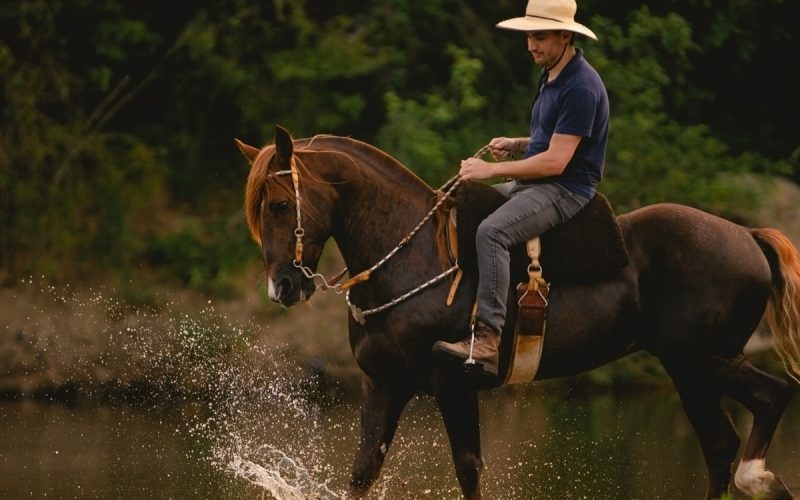
A solid trail ride starts before your horse ever leaves the barn, because comfort does not happen by accident. Horses handle rough ground, long miles, and changing weather a whole lot better when riders pay attention to the basics first.
That means looking at the whole picture instead of hoping a decent saddle and good attitude will cover the gaps. Here is what helps horses stay comfortable on trails so you can have a nice, relaxing ride.
Saddle Fit Changes the Whole Ride
Saddle fit has a way of deciding your day before the first mile even starts. If the saddle pinches, slides, or hits pressure points, your horse will feel it fast and respond with shorter strides, pinned ears, or that fun little attitude shift.
A good fit helps your horse move freely through the shoulders and back without fighting the tack at every step. The ride will feel smoother, and your horse spends less time thinking about discomfort.
Conditioning Keeps Small Problems Small
A horse that lacks conditioning can start a ride looking fine and end it looking like it has had enough of your personal growth journey. Trails ask for balance, stamina, and steady effort, especially when the terrain changes and the miles start stacking up.
Regular riding, smart hill work, and gradual increases in distance help your horse build the strength to handle more without getting sore or worn down too early.
Tack Should Help, Not Annoy
Pads, bridles, cinches, and bits all affect comfort, and poor choices in any of those spots can turn a calm ride into an irritating one fast. Riders who take time to prep essential western horse tack usually catch rubbing, stiffness, or fit issues before those problems follow them out on the trail.
Your horse does not care whether the gear looks rugged in a photo, and honestly, he is right about that.
Breaks and Hydration
A lot of trail comfort comes from knowing when to pause rather than push ahead, as if every ride needed a dramatic soundtrack. Horses benefit from short breaks to breathe, reset, and drink, especially on warm days or longer rides where tension can build slowly.
Those pauses also give you time to check for sweat patterns, soreness, or little changes in attitude. Taking a break does not make you soft; it makes you the kind of rider your horse would probably choose.
A Comfortable Horse Is a Better Partner
When you look at what helps horses stay comfortable on trails, the answer usually comes back to attention, consistency, and respect for the little things. Good fit, smart conditioning, useful breaks, and better riding tools all work together to keep your horse more relaxed and willing.
A comfortable horse stays more focused, handles surprises better, and makes the day feel less like a negotiation. You still need patience, of course, because horses remain horses and trails remain full of opinions.