
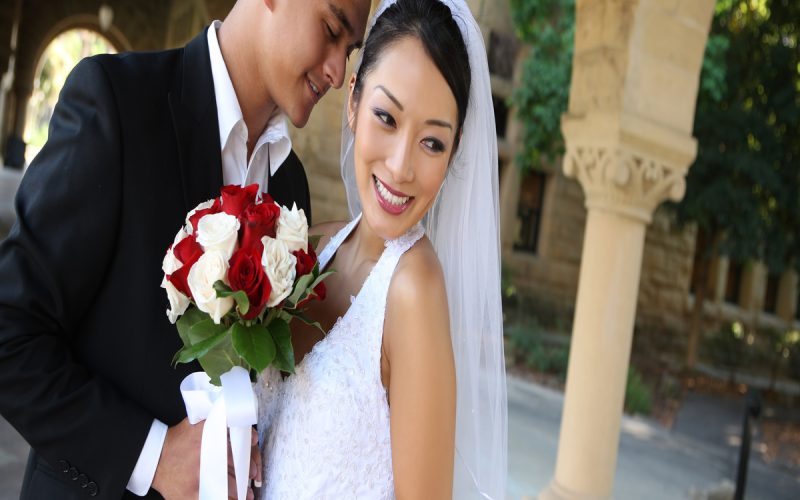
Blending traditions while honoring each family’s heritage requires careful planning. Couples navigating diverse backgrounds coordinate meaningful gestures and thoughtful details.
Make wedding planning simpler with our quick guide to organizing mixed-culture wedding celebrations. It assists couples in blending traditions seamlessly while ensuring both partners’ cultures are visible and celebrated.
Coordinate Ceremonies and Rituals
Mixed-culture weddings benefit from clear communication about which traditions hold personal significance. Some couples schedule multiple ceremonies, while others integrate rituals into one cohesive event.
Align timing and sequence so guests follow each moment without confusion. Planning ceremonies this way respects each culture and enhances the sense of unity.
Integrate Cuisine for All Guests
Food plays a vital role in cultural expression. Offering dishes from both families creates a welcoming environment. Caterers can balance flavors and presentation, keeping menus accessible while highlighting heritage.
Labeling items with their cultural origins engages guests and sparks conversation, allowing everyone to participate fully.
Music and Entertainment
Music sets the tone for celebration. Including songs, dances, and performances from both cultures honors traditions. Assign sections of the reception to highlight each culture’s customs.
DJs and live performers can blend selections to maintain energy and flow without overshadowing any element.
Attire and Symbolism
Bridal and groom attire often carries cultural significance. Couples can mix patterns, fabrics, or accessories that honor heritage.
Coordinating colors or motifs creates visual harmony across outfits. This approach also gives photographers opportunities to capture meaningful details.
Incorporate Meaningful Decor
Flowers, colors, and table settings carry symbolism across cultures. Highlighting traditional elements adds depth and authenticity to the celebration.
Couples can include a cultural floral wedding tradition to highlight heritage, drawing on design concepts and arrangements that reflect multiple cultures.
Guest Experience and Invitations
Communicate clearly with guests about what to expect during the celebrations. Invitations can include brief explanations of ceremonies or customs, helping attendees feel comfortable and included. Providing context prevents confusion and fosters respect for different practices.
Communication With Families
Open discussions between families prevent misunderstandings and support collaboration. Sharing priorities, expectations, and non-negotiable traditions early allows planning to progress smoothly.
Families can participate in decisions that honor both lineages, encouraging cooperation and goodwill.
Blending Traditions Smoothly
Combining multiple cultural elements requires balance. Couples who integrate personal preferences with cultural rituals create celebrations that feel authentic.
Aligning the ceremony, reception, cuisine, and decor produces a seamless experience. Every decision contributes to honoring heritage while celebrating the couple’s union.
Crafting a Celebration Everyone Remembers
Couples and families feel the impact of thoughtful planning. Using a quick guide to planning mixed‑culture wedding celebrations helps organize each step so traditions, attire, cuisine, and decor reflect both cultures. Careful coordination results in a meaningful, inclusive wedding that resonates with all attendees.