
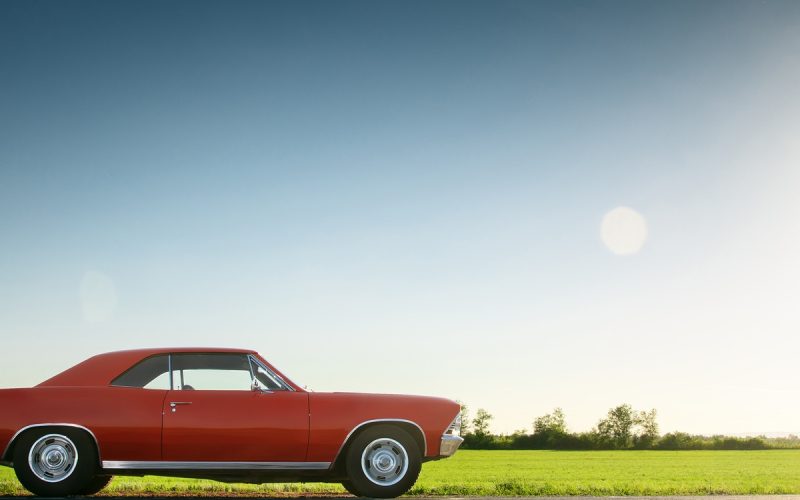
You’ve got that vintage beauty sitting in your garage, begging for some love. Maybe it’s a classic Mustang, a Camaro, or something more unique.
Here’s the thing: picking the wrong components can turn your dream project into a nightmare. But with the right approach, you’ll have your ride purring like it did back in the day.
This guide simplifies the process of choosing the right parts for a vintage car restoration, which helps your project stay on track.
Know Your Numbers Before You Shop
First, find your VIN number and start doing some homework. Your car’s production year, engine code, and trim level all matter when hunting for parts.
A 1965 Mustang 289 V8 needs different components than a 1967 model, even though they look similar. Check forums specific to your car’s make and model.
These communities are gold mines for part numbers, compatibility charts, and vendor recommendations. Plus, the folks there have probably made every mistake you’re about to make.
Original Equipment vs. Reproduction Parts
This decision comes down to your goals and budget. Original Equipment Manufacturer (OEM) parts are authentic, but they come with premium prices and limited availability.
Reproduction parts are affordable and reliable alternatives to original parts, but they won’t have matching serial numbers, which can be a drawback for collectors.
For daily drivers, reproduction often makes more sense. For show cars or investment pieces, original might be worth the extra cash.
Quality Over Price Every Time
That bargain basement alternator might save you fifty bucks today, but it’ll leave you stranded next month. Stick with reputable suppliers who stand behind their products.
Read reviews, ask questions, and don’t be afraid to pay a little more for proven quality. Finding the right finishing touches that enhance performance and appearance for your classic Mustang, for example, could be worth every penny.
Test Fit Everything Before Final Installation
Here’s where many restoration projects go sideways. That “guaranteed fit” part might need some tweaking to work with your specific setup.
Modifications over the years, earlier repairs, or manufacturing tolerances can all affect fitment.
Do a dry run with major components before breaking out the permanent installation tools. It’s much easier to return a part that doesn’t fit than to force something into place.
Restoring a vintage car means taking your time choosing the right parts. Rush the process, and you’ll end up redoing work or settling for subpar results.
Are you ready to start your project? Take measurements, make lists, and remember that good things come to those who wait for the right components.