
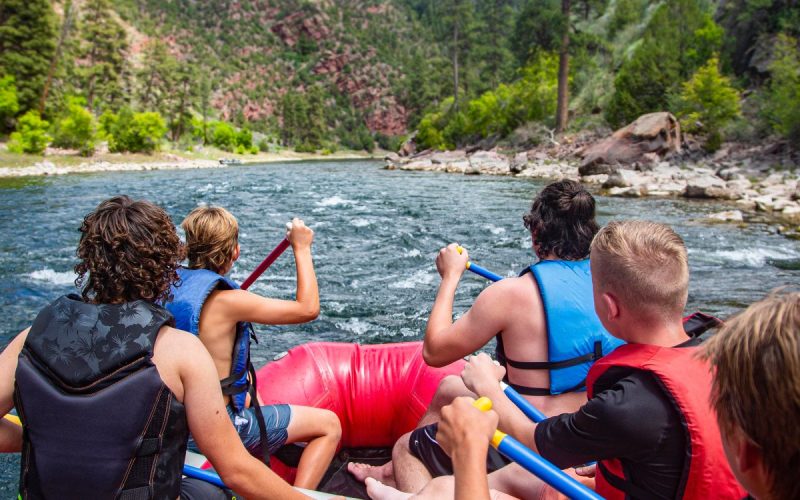
Water adventures offer some of the most rewarding experiences you can have. Whether you paddle a calm lake or tackle white-water rapids, having the right equipment makes all the difference between an epic day and a disaster.
The wrong paddle or a poorly fitting life jacket can turn your dream trip into a nightmare faster than you can say “man overboard.” Follow these 6 tips for choosing the right gear for water adventures to save yourself money, frustration, and potentially your life.
Research Your Activity First
Different water activities require different gear. Kayaking calls for a specific paddle, while canoeing needs its own. What’s perfect for lake fishing might not be right for deep-sea adventures.
So, be sure to match your equipment to the activity you have planned. For example, a recreational kayak might not handle ocean waves well, and a racing paddle could tire you out during a relaxing river trip.
Prioritize Safety Equipment
Make sure your life jacket fits comfortably, snug without being too tight to restrict your movement. It’s a good idea to try it out in shallow water before your trip to ensure it keeps you in the correct position.
Remember, safety gear is worth investing in—don’t cut corners just to save a few bucks. If you’re on a larger boat, having a portable water rescue boat onboard can help you respond to emergencies that could have been avoided with proper safety equipment.
Consider Your Skill Level
Beginner gear usually provides greater stability and forgiveness. Although advanced equipment might offer superior performance, it demands more skill to operate safely.
It’s advisable to rent gear before making a costly purchase. This allows you to try out various brands and styles without a significant commitment.
Think About Storage and Transport
Inflatable options take up less space but may not perform as well as solid gear. Consider where you’ll store your equipment and how you’ll transport it to the water.
Weight matters when you’re loading gear onto your car or carrying it to the launch point. Lighter options cost more but may be worth the investment if you frequently transport your equipment.
Factor in Environmental Impact
Choose durable gear that will last for years rather than cheap options that will need frequent replacement. Quality equipment reduces waste and often performs better over time.
Just like the environmental impact of food waste affects our planet, poorly made gear that ends up in landfills contributes to environmental problems. Invest in quality items from manufacturers committed to reducing their ecological footprint.
Test Before You Commit
Most outdoor retailers offer demo programs or rental options. Take advantage of these opportunities to test gear in real conditions before making a purchase. Read reviews from people who use the gear for activities similar to yours. What works for weekend warriors might not work for serious adventurers, and vice versa.
Water adventures become exponentially more enjoyable when you have the right equipment. Take time to research your options, prioritize safety, and choose gear that matches your skill level and intended use. Your future self will thank you when you’re having the time of your life instead of struggling with inadequate equipment.